I’m blogging in the afternoon instead of morning. This morning I made coffee, studied Greek, then practiced piano in preparation for my funeral this morning. I did some scales and stuff like that but mostly concentrated on the Brahms I was scheduled to play with a cellist I had never met.
I found this accompaniment right at the edge of my abilities with the little prep I was able to do. Plus it was nerve wracking to meet a musician and then perform a piece that is challenging for me in public immediately thereafter. Of course, the cellist has the same situation. We were both a bit nervous I think about the other’s abilities.
We finished our run through and he was very complimentary of my playing. That was nice. He was a good player as well and I told him so. Preparing this accompaniment in this amount of time I did learn some stuff about what’s effective and what’s not. I pretty much nailed the sections I was concerned about. He played some other stuff I had to accompany as well.
After the service (I DID get paid), I felt like I had gone up against the wall (motherfucker) and through the wringer.
Thankfully tomorrow’s music is no where near as challenging as the accompaniments I played today. Whew.
Sarah is on her way here from England. We pick her up in GR around 5 PM. I am looking forward to having her around.
Ray Kurzweil uses the story of the person who invented chess to illustrate the onrush of the future into our lives. McChesney/Nichols quote him and the story in People Get Ready.
In the sixth century in India, an inventor presented the game of chess to the local emperor. The emperor was so impressed that he promised the inventor any reward he wanted.
The inventor asked for grains of rice to be granted in the following way: one grain on the the first of the 64 squares of the chessboard on the first day, 2 grains on the 2nd day and square, 4 grains on the 3rd, and so on, doubling the amount each day and succeeding square.
“By the time one got to the sixty-fourth square, the number of grains would be eighteen quintillion, vastly more rice than has ever been produced in history.” (Nichols/McChesney, p.89)
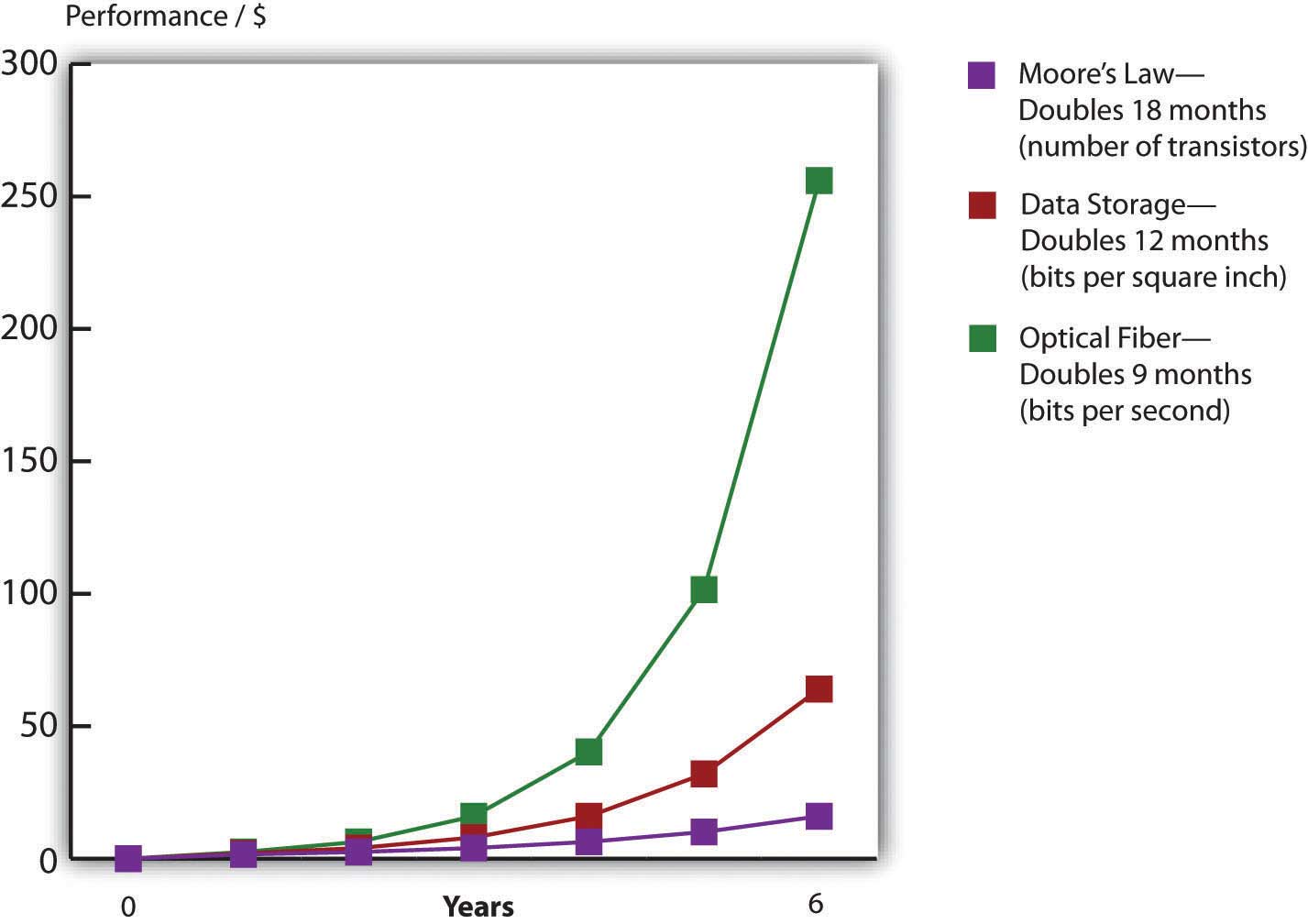
Moore’s Law proposed in 1965 is that computer power doubles every eighteen months. In this story, McChesney and Nichols propose that we are now entering the second half of the chessboard. In the story when the emperor theoretically got that far, the total was “four billion grains, about one large field’s quantity.”
The automation of jobs feared in the sixties is happening now.
We tend to overestimate the effect of a technology in the short run and underestimate the effect in the long run.
systems engineer Roy Amara (quoted in People Get Ready)
At the end of 2014, “former Treasury Secretary Lawrence Summers stated that he no longer believed that the automation process would create new jobs to replace the ones it was eliminating. ‘This isn’t some hypothetical future possibility,’ he said.’This is something that’s emerging before us right now.'”
You get the picture. It’s something to think about.
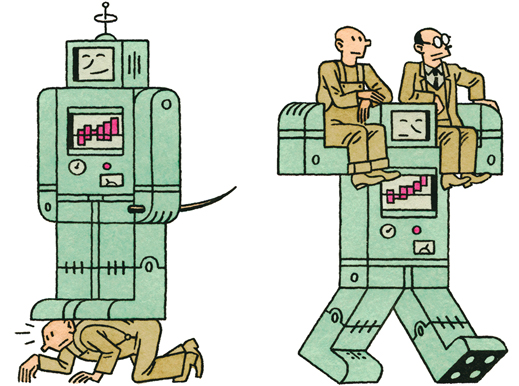
What if the cost of machines that think is people who don’t?
historian George Dyson, quoted in People Get Ready
This stuff makes me crazy. Judging from the comments not everyone things the universal franchise is important to a functioning democracy. I think it is.
Only one more Wednesday choir rehearsal this season. People are dropping off like flies. Some of this is the early Easter season this year. But it’s hard not to speculate on changing patterns of people’s behavior. I notice that my small group of singers are very active in the local community as musical resources. My soprano who also plays viola has been hired away from us for Pentecost by the local mega church for an orchestra production that day. She feels torn between remaining loyal and singing at her church which she dearly loves and making $150 for a gig. I am very sympathetic because my choir members do not tend to be rich people at Grace. They are highly self actualized and tend to get involved in stuff from a personal motivation. I like and encourage that. And when one of my sopranos can earn badly needed funds I try to downplay her guilt and encourage to do what she has to do.
In the meantime I strategize to come up with stuff to keep the people who show up and myself motivated. This has worked pretty well this past spring choral season. We are down to preparing three anthems for our last three Sundays. This Sunday’s anthem is a rousing setting of the African American Spiritual, “I know the Lord’s laid his hands on me.”
Next week at our last rehearsal we will have our hands full continuing to learn a slightly challenging recently composed anthem in the Anglican style (“O Love! O Life!” by Stephan Casurella). After last night’s rehearsal several singers were surprised that this little baby was falling together, surprised and experiencing a sense of personal satisfaction. Desired effect achieved.
As we come down to the last rehearsals, I shorten them at will. The goal is to make it as high a quality experience of singing as possible. This seems to be working well this year.
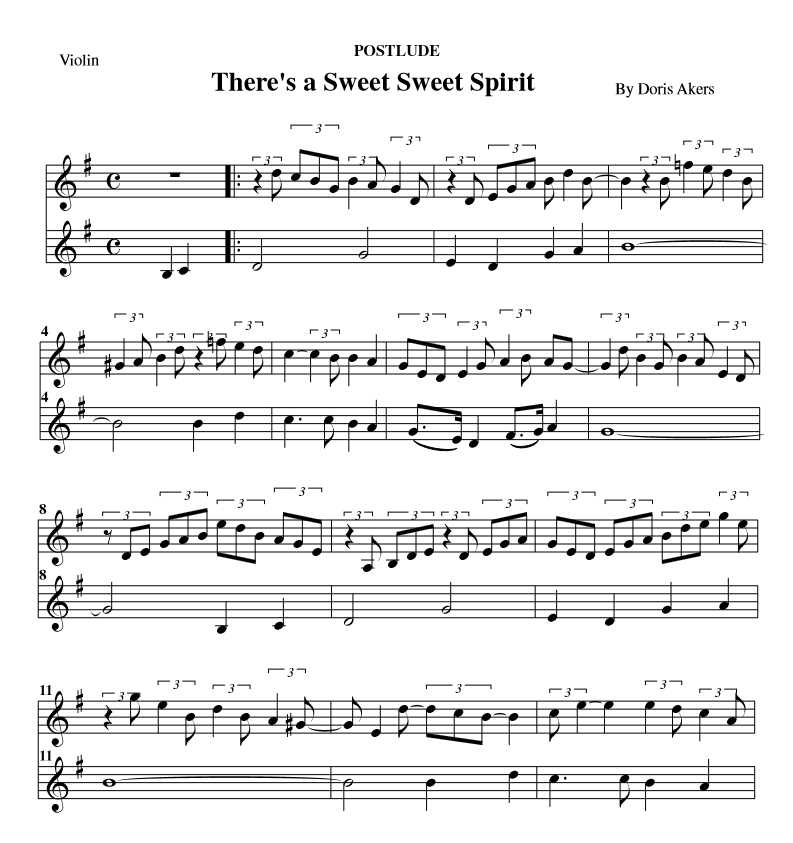
For myself, I have written a little postlude for our last Sunday using violin, cello, and piano. In addition, I have gotten inspired to transcribe’s Doris Akers own vocal licks that she improvises over her song being sung by a male quartet. I think it would be cool to have my sopranos (Probably doubled on the violin) sing these licks on Pentecost on our annual rendition of “It’s a Sweet Sweet Spirit.”
I’m about half way through transcribing them. Eileen wondered last night if they would work at the tempo we sing the song. We sing it a bit faster than the Akers rendition above, but I also add a much more intense driving Gospel feeling with gospel piano licks. I told Eileen I think the Akers vocal parts will work with this style and at the tempo we do the song.
All this keeps me connected at at time when the situation is fraught with discouraging aspects of absences and inattention.
Yesterday, Rhonda was wondering out loud if it made sense to perform Arvo Pärt’s Mein Weg hat Gipfel und Wellentäler for American audiences.
I pointed out that I have done this piece at church and since not many people seem to pay attention to my playing, I chose to do so in this kind of environment.
This “kind of environment” compels people like me to do stuff they love because they love it, not for recognition or even tons of money. I’m good with that.
When I arrived at my Mom’s room in her nursing home yesterday to escort her to an appointment with her hearing aid people, Miracle Ear, she told me that my son, David, had called her from the Dominican Republic.
My son lives in California with his wife and three children. It struck me as unlikely that he would be calling Mom from the DR. Then Mom went on. David had been taking a taxi. They were stopped by the police. The taxi driver had marijuana in the trunk and claimed it was David. David needed bail money.
Mom told me that she told him that I handle all her money transactions and that she was sorry but she couldn’t help him. She was, indeed, distraught.
My response was to tell her that it probably wasn’t David and that she had done well to refer them to me. I then texted David in California to confirm that he had not called Mom. Shockerini. He immediately texted back that he had not.
Mom was relieved. She had felt bad that she couldn’t help David.
As I manage my Mom’s affairs I am continually struck by how vulnerable the elderly are. I know. I know. I’M elderly. But still. Mom basically follows my advice. She and Eileen’s Mom offer us money all the time. It would be easy to drain their resources in a way that would hurt them.
I mentioned to Mom yesterday that not only were the elderly vulnerable, but that they were often taken advantage of by their own family.
I continue reading People Get Ready. As the jobless economy of large scale, global automation is upon us, it becomes apparent that the present economic situation is madness. A guaranteed income, shelter, health care and education makes sense when robots do all the work. But if the people draining off the profits continue to control decisions about how we live, we will become slaves not liberated human beings.
The liberation easily fits the way I see life. My Mom, anybody’s Mom, deserves to be taken care of in her old age despite her own private economic resources.
And as I always say, I have difficulty believing in money and property ownership. See this tree? It’s mine. What does that mean?
So a jobless economy to me evokes an crazy idealistic notion that there’s more to life than making enough money to live or even making lots of money. Stuff like making art, music and literature. Learning about stuff. Hell, learning about everything. Cooking!
I’m afraid that this direction is not exactly where we are heading or where we will end up. But Nichols and McChesney (and many other scholars) say we are on the precipice of a new and different time.
My need and experience for solitude is becoming more clear to me daily. Eileen is a great help as we examine our changed life style. While Eileen was working, I had copious time alone in the building. I think this is a key insight. Being alone in the building is apparently how I see solitude. Since she retired, Eileen and I give each other plenty of space. But this is not quite the same as having time completely alone.
Yesterday, when Eileen took her usual trips to Evergreen to exercise I stayed home alone. I can feel the effects of these conscious alone times. Yesterday I spent the first hour alone composing. In the afternoon I did a bit more of this, practiced piano, and then sat in the backyard and read (It was a beautiful day). Eileen pointed out to me that when she was working, she would often arrive home and hear me describe my time alone in which I had spent hours reading and practicing piano. Yesterday, I experienced a bit of jolt of memory as Eileen arrived home and I was sitting in the backyard reading. I don’t think I did much of that last summer.
It’s counter-intuitive to me to seek time away from Eileen. I enjoy being with her and think of having her around more in retirement as one of the good parts of life. However, I am beginning to see my own needs more clearly. It’s healthy to think that my relationship to Eileen need not bear all the pressure of my personality. Emotional and physical space can have a renewing effect especially on (dare I say it?) my artistic temperament. Then, maybe our times together will be more pleasant for both of us.
I finally heard back from Satursday’s cellist. Sooprise, sooprise. He’s having life stuff. His partner’s mother is dying in another state. He is having challenges balancing supporting his partner, doing his work (whatever that is), and participating in planning for Saturday. I just emailed him back and then sent an email to the office manager copied to him and Rev Jodi about what I think would be good for the program Saturday. Jodi and I meet tomorrow and Mary (the office manager) has promised us drafts of the program for Saturday and the bulletin for Sunday (at which Jodi presumably will preside and preach). That shit’s looking up.
I have now put a link on the front page of my tablet to FAIR’s web site. I think they are living out Nichols and McChesney’s ideas of a viable fourth estate journalism. I know they are bit on the left, but they still seem empirical in their criticisms of media like the NYT.
I sent this 2015 link to Eileen yesterday. She was wondering about the relationship of CEO wages to works in the 60s and now. This reports some of it. Reading People Get Ready provides some insights into the demise of unions. There is a long discussion of the impact of technology/automation on the last half of the 20th century. Unions face a diminished need for workers. Like the shifting voting base in the USA (non white majority is upon us), the entire terrain of the discussion of unions has changed.
I dreamed last night that I was having a first lesson with a new piano teacher. I showed her the exercises Strasburg taught me that I have been practicing lately. I had trouble remembering them without the little cheat sheet he made for me. I was anxious to get to my four octave scales so my new teacher could evaluate me better and begin to help me.
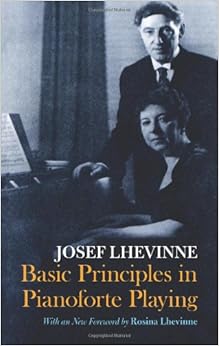
Before attending Ohio Wesleyan, I was a voracious reader in preparation for my musical college education. I showed Lhevinne’s book, Basic Principles in Pianoforte Playing, to Dr. Strasburg my piano teacher. I told him that this little book was very like his pedagogy. He pointed to Rosina on the cover and said, she was my teacher.
Craig Cramer, my grad organ teacher, used to insist that musical technique could only be transmitted from one living being to another, that it could not be written down.
Maybe at his level that is true, but for me I have always loved to read what people have written about piano and organ technique.
I didn’t practice piano yesterday. Instead I put a little composition I wrote on Saturday into Finale. I do enjoy working with Finale and this was the first time I used my new version of it.
I probably dignify this little piece by referring to it as a composition. I basically wrote out a little obbligato line that I want the violin and cello to play in octaves while I bang away at the piece in a gospel piano style. I think this will be fun and easy for my players.
I was thinking about spending more time alone at church.
It would be nice to find a little midi musical keyboard so that I could working on compositions there.
I priced them on Amazon and found a cheap one. However I couldn’t be sure that it had the kind of midi chord outlet I need. I’ll have to look at one in person before I will feel confident enough to purchase it.
My intermittent reluctance to spend more time at church might be something I could overcome. I find the whole Christianity thing suffocating sometimes.
It’s my problem, no doubt. But if I’m alone in the building and am thinking about my own need for solitude, maybe I can overcome this.
I’d like to keep this short this morning. I have some work I would like to do before church. Yesterday I began composing a little piece based on “There’s a sweet, sweet spirit” by Doris Akers for my piano trio for Pentecost. I would like to get my notes (written on pieces of paper) into a Finale doc this morning.
I found this recording yesterday on YouTube of Doris Akers herself singing it.
I’m planning on stealing some licks from it. Either for my trio version or maybe even better as a descant for my sopranos.
I’m working my way through this troubling article posted by one of my right wingers on facebooger. As far as I can see, it’s barely coherent. Written by a supposed educated young writer, it seems to start off ranting and descend into cherry picked examples. I plan to finish reading it when I am feeling up to it later.
Even though Eileen has been retired for a while we continue to evaluate how we do our lives together in her retirement. She’s gone again today for a lot of the day.
Yesterday was a road trip for wool. Today she is driving up to her Mom’s house to do her Mom’s hair and help out a bit since her sister, Nancy, is out of town. Nancy usually does the lions share of making sure Mother Dorothy has what she needs.
Eileen and I talked about how we are continuing to adjust to her retirement over breakfast this morning. My insight from yesterday was how helpful it was to have some extended time alone.
To some extent I have this kind of time each early morning I spend by myself, cleaning the kitchen, making myself coffee, studying Greek and reading.
But considering how helpful it was to have time alone yesterday and how much I was looking forward to a bit more of it today, Eileen and I need to think about creative ways to factor in Steve solitude in routine better.
The first step, obviously, is noticing that I need this time. I have noticed that when I am alone at church sometimes I can literally feel myself relaxing. I have spent a lot of time alone in churches in my life going all the way back to when my family of origin lived in Flint (1963).
I still haven’t heard from the cellist I am supposedly accompanying a week from today. I promised Mary Miller, the church’s office administrator, that I would have something nailed down by Monday morning regarding the music in this upcoming memorial service. After I blog, I will email this dude. At first gently, and then if I still receive no response, I plan to email him what I will put in the bulletin. I will probably not put any titles of cello pieces in the program, but simply leave spots for him to play like “Offertory” and “Postlude.” It would be nicer to have the titles in there. And we may well get them later in the week as people begin to arrive for this service. In the meantime, I think it’s only fair to Mary Miller to have a clear working solution so that she can print up a program when she has time.
It’s been about a week since I have returned to daily piano technique practice. A day or so ago, Eileen asked me if it was helping. I told her it was very hard to tell in the short run, that this sort of practice for me is a more gradual kind of improvement. But I have noticed that the scales are getting back to where I like them.
I am reading People Get Ready: The Fight Against a Jobless Economy and a Citizenless Democracy by McChesney and Nichols. It is excellent. It was a good introduction to their ideas to hear them talk about it in a YouTube video. Unlike Tragedy and Farce: How the American Media Sell Wars, Spin Elections, and Destroy Democracy, People Get Ready is heavily footnoted. I find that helpful. The prose is not terribly offputting, but the ideas are scholarly and backed up by references.
In their YouTube talk McChesney talks about proposing People Get Ready to the publisher as a book about the reemergence of Facism in the 21st century. The publisher was adamantly opposed to it at first. A few months ago she contacted them and said she owed them an apology about the relevance and acceptance of this part of their topic (see the Trump campaign for the Republican nomination for presidency).
For the record, here is what they write in a footnote on p. 35.
“For our purposes, we prefer Robert O. Paxton’s approach [to defining Facism]. Calling fascism ‘the major political innovation of the twentieth century,’ he regards it as ‘dictatorship against the left amidst popular enthusiasm.’ Mass support is a defining feature, which is why the run-of-the-mill police state does not qualify. ‘Fascism,’ he writes, ‘was a new invention created by the use of ritual, carefully stage-managed ceremonies, and intensely charged rhetoric.’ See Robert O. Paxton, The Anatomy of Fascism (New York: Alfred A. Knopf, 2004), pp. 3, 16.
Listening to the CounterSpin podcast from FAIR (Fairness and Accuracy in Reporting) has become part of my routine. Listening to the podcast mentioning the above article, I thought about how Russians approached Pravda and other Russian state media in the 20th century. It’s not quite that way in the USA unless you are uncritical, then it is.
In one of our England trips we made it to Stratford-upon-Avon. I am a Shakespeare fan but the city was disappointing in its Disneyland approach. I liked looking at his house in the woods (way outside of town) and his house in the city, however.
Eileen is off to spend the day on a road trip to Forma where she buys her weaving stuff. She is going with a friend. I have the day pretty much off and need it. I still haven’t heard back from the cellist for the upcoming memorial service scheduled for a week from tomorrow. I think I will email him tomorrow if I haven’t heard from him by then. Mary Miller, the office manager, wants to finalize the bulletin for the memorial service by Monday. This means I need to know exactly what this dude wants to play and plug in to the service. Doable but a bit unnerving that he has let it go this late. Not sure what to make of this.
I finished typing in my reading notes to Tragedy and Farceby Nichols and McChesney this morning. I also started Chapter 4 of my Greek text. I have worked through the readings of this long chapter already, but now I plan to be more thorough about studying the grammar. The texts say it should take about 7 weeks to do this chapter. I’m thinking it will be longer for this old solitary dude. Maybe I should consider taking a classical Greek course somewhere.
I took Mom to the doctor’s office yesterday (she’s fine). I was surprised how quickly my energy dissipated after that. I did get a call from my doctor’s office that my lab results of my blood tests came back and were all normal. I guess this means I don’t have lead poisoning. They still haven’t posted the results to my online account yet.
I managed a bit of organ practice before my violinist showed up to practice. She consented to play on Pentecost at Grace so that will be fun. My cellist has already said she could do it. We’re singing this fun little Irish piece which has a nice obbligato instrumental part which sounds cool on the violin. I’m seriously thinking of arranging the closing hymn, “There’s a Sweet Sweet Spirit” by Doris Akers, for piano, violin and cello. I could do one that could accompanying congregational singing and then one that could be the postlude. We’ll see.
I have been wondering if my fatigue is connected to my lack of exercise. I haven’t done any walking for the last four days. Maybe I’ll do some today. Maybe I’ll look around for a treadmill machine as well.
I recommend clicking on this and listening as you read today’s blog.
Choir rehearsal last night was challenging in a way I expected. People are not showing up. It’s typical for this time of year. It’s frustrating that many of the absent people are doing music related things in the community: playing in a local orchestra, attending lectures regarding an upcoming performance of Brahms’s Requiem.
These sort of absences have more impact in a small group. But I try to make it a good experience for the people who show up. I have two new anthems scheduled for the last few weeks of the season. One is Moses Hogan’s arrangement of “I Know the Lord’s Laid His Hands on Me.” The other is a modern Anglican sounding piece, “O Love! O Life,” by Stephen Casurella, words by John Greenleaf Whittier. I spent most of last night’s rehearsal on the latter.
Chatted with my boss, Jen Adams, on the phone yesterday. Last week she suggested that we schedule a phone call this week to touch base. She sounds chipper and healing. That’s nice.
I continue to emphasize piano technique in my daily practice. I think I was surprised that my scales were not as fresh as they used to be. I also discovered that for the first time I can easily do Hanon the way it’s designed, that is: moving directly from one exercise to another without stopping by using my tablet and having it scroll. This is satisfying.
I still haven’t heard back from the April 30th Memorial service cellist, but it hasn’t been too long. In the meantime, I have added some of the pieces he mentioned to my practice sessions. It’s just lucky that he asked for the Brahms that my cellist and I have been practicing.
Well that’s enough for an exhausted Thursday morning. See you on the funway!
So if your parents are from Morocco and you live in Brussels, you have adapted. You have learned the language. You are connecting to society. You are also more likely to be a person who feels the local bigotry (you can understand their insults) hence all the terrorists in the recent horrible attack in Brussels were part of the Moroccan community. Not like the people descended from Turkey living in Brussels. They haven’t learned French and remain insular. Less dissatisfaction. Weird.
Unfortunately, my two days off this week, Monday and Tuesday, were disrupted by meltdowns. Monday, I got enmeshed in thinking about bills and quickly got off balance. Tuesday, I got drawn in to a discussion of an upcoming memorial service with my curate and the family’s ideas about the service.
I am finding more and more people who are educated are also limited in their abilities to think and communicate.
I have been communicating with my curate about an upcoming memorial service via email for a while. I am beginning to suspect that she is hearing emotion in my emails, but missing actual content.
I have offered to meet with her, but she hasn’t responded about this.
Yesterday in desperation, I sent her an email outlining the memorial service, plugging in realistic ideas from the family. She seemed grateful for this. Meanwhile I received an email from the family member who is a cellist and who is planning to play.
This is where I seriously got off balance. He suggested all kinds of classical literature for this service which is only ten days away: Beethoven piano sonata, Faure Sicilienn for cello and piano, Brahms cello sonata movement. After making sure it was okay with the curate (via email) I sent the cellist an email outlining how we might possibly include some of the music he had mentioned in an initial email. My anxiety was high about performing some of this music, but at the same time I quite approve of the choices. I hope I can help shape this service into one that works well. I am feeling the absence of my boss keenly in this exchange.
My frustration was exacerbated by the church’s wifi which kept kicking me off while I was trying to work. By late afternoon I was a mess.
On the other hand, I spent some good hours working on my piano technique and choosing some fun upcoming organ music. The music always calms me down and centers me.
Interesting article by Adam Liptak. Nice quote: “Mr. Grassley’s logic, if that is the right word, was that conservative decisions are apolitical but that liberal ones are partisan.”
I have been thinking about the terms, conservative and liberal. The popular usage of these words has been distorted beyond any real meaning in the last few years. I am a firm believer that framing doesn’t actually change meaning only shape initial reaction and superficial perception. By that I mean, the way the right in America has turned the word, liberal, into a pejorative along with others (union, socialism). Meaning has to go deeper than the easy superficial use.
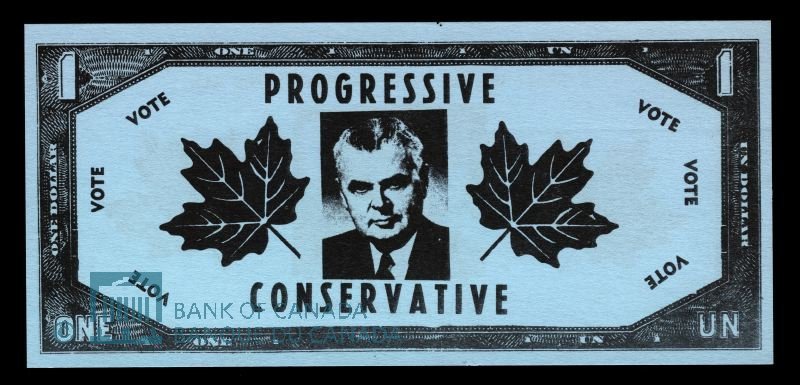
My father used to call himself a “progressive-conservative.”
I think anyone interested in history has to have a side of them that wants to “conserve” story.
All of us are conservative in some things in our lives, things we don’t want changed.
And then there’s the word, liberal. I always hear the “liber” in it as “freedom.” Freedom is an important concept to the human spirit.
We grapple with the idea of having freedom of will, freedom of movement, freedom of thought. These aren’t necessarily small political ideas, but big ideas that apply to most people.
So it seems that “conservatives” in America don’t “conserve” and that “liberals” aren’t looking to “free things up” particularly.
What a weird usage.
I usually identify with the political left. I guess that makes me “liberal” in one sense at least.
However, I like the label, “progressive,” it reminds me of the word, “improvement.” And I also have a problem with inaccurate understandings, uninformed understandings. Especially if these are my own, but not limited to them.
Much of the societal rhetoric that bothers to talk about ideas exposes positions that simply react instead of stakes out ways to improve our society. I think it is this reaction that bothers me.
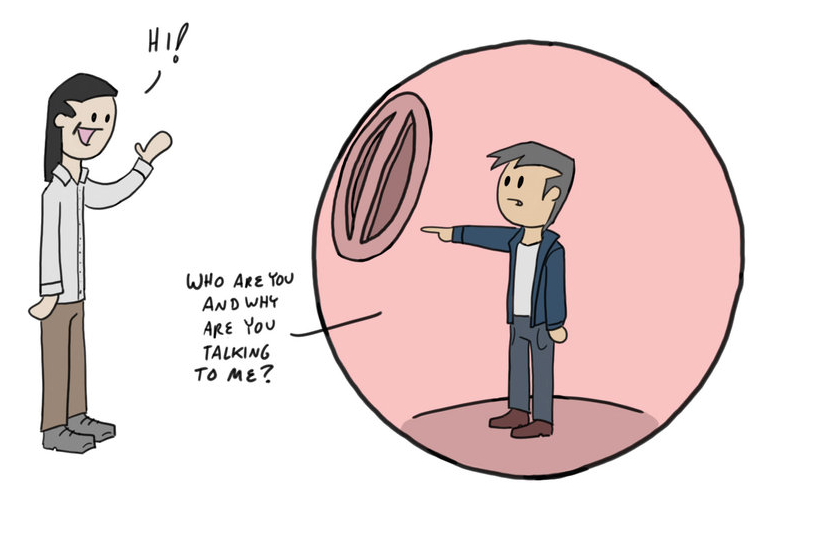
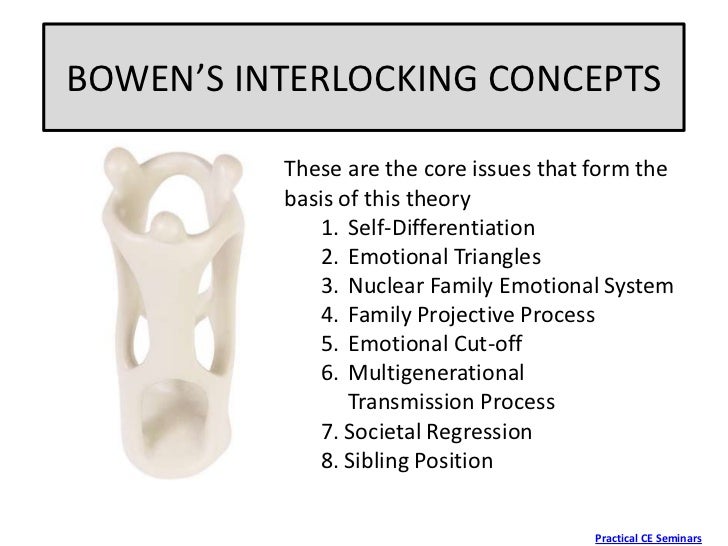
It’s related to the psychological notion of differentiation. I take differentiation to mean “knowing where you end and I begin” …. examining one’s own situation first and taking responsibility for it…
Lack of differentiation is when we are so preoccupied with others’ flaws and actions we are not aware of our own. Friedman calls this “globbing” and it’s a good word for it.
All of this is related to my attempt to read an article on The American Spectator web site I linked lately. I thought the thinking in it started out interesting and engaging. Gradually I realized that the left was getting the blame for a lot of stuff historically. Finally when the author cited the Snopes trial as an example of progressives sneering at real Americans.
Above all, our educated class was bitter about America. In 1925 the American Civil Liberties Union sponsored a legal challenge to a Tennessee law that required teaching the biblical account of creation. The ensuing trial, radio broadcast nationally, as well as the subsequent hit movie Inherit the Wind, were the occasion for what one might have called the Chautauqua class to drive home the point that Americans who believed in the Bible were willful ignoramuses. Angelo M. Codevilla
Wait a minute, I thought as I read, are you defending the reactionary position that evolution is not true.
I’m afraid I quit reading. Our society is more complex than this obviously erudite writer wants to admit. I think we have a ruling class which encompasses people on all positions of the political spectrum. They are united by their profit motive and their efforts to keep money. They are not reactionary or progressive, simply greedy.
My grad organ teacher, Craig Cramer, used to say that whenever he performed he “went up against the wall.” I took this to mean that it was an ordeal, a testing, every time. Yesterday, although it was satisfying to perform two pieces by Bach on piano and organ for the prelude and postlude, by the time the postlude was over I was drained more than usual.
It had taken ingenuity to pull the choir together for the performance of the well known “Flocks in Pastures Green Abiding.” The one soprano who had attended Wednesday’s rehearsal came very late. In the meantime, I had tried to pull together a blend between people who hadn’t rehearsed together. It was challenging. I’m afraid in the end the blend wasn’t as good as I can sometimes pull together. But it was passable.
For the prelude, I pulled one of the adult servers aside and told him I was going to play a difficult piano piece for the prelude and it would help me if they didn’t stand near me and talk while I was doing so.
He was amicable and said that they could do that (not stand near me and talk…. I suggested they stand on the other side of the choir area and talk).
So my Bach Art of Fugue 9 had its first airing. It went pretty well I think. After the closing hymn, Jodi the curate complimented me on putting an interlude in between the two stanzas of the closing hymn allowing the entire procession to leave. She had never noticed that I do this sometimes.
My G minor fugue went very well, better than the Art of Fugue 9. Later at the Curragh (local watering hole and restaurant), some people who had been visitors at the morning service complimented me on our music and said they especially liked the postlude. Will wonders never cease?
I pulled out my Pischna this morning.
This is a piano finger technique book my teacher gave me. His notes are still written in it. It was refreshing to review them this morning. I think I’m interested in reigniting my technique via scales and exercises both on the piano and the organ.
For organ, I find it helpful to use the Bach D major as sort of a technical exercise. It begins with a full D major scale in the pedal. Then there are many pedal solos to practice. I like doing the whole piece to practice technique.
So I’m tired but satisfied this morning. I put on Glenn Gould last night to sip my martini by. I was amused to find that he has recorded the Art of Fugue 9 on the organ.
As far as I can tell he does not do the main subject in the pedals but he does use the pedals for the long theme. I hadn’t thought of doing that. My organ arrangement has the quick them in the pedals. This is doable I guess but I wouldn’t be able to do too fast unless it was the only thing I practiced for a month.
I like these profiles where they say what people are reading and keep track. Jill Twiss turned me on to two new things:
AND
Eileen and I are probably coming late to both of these. “Unbreakable Kimmie Schmidt” is hilarious. The “Undisclosed Podcast” is a good fix for those of us who miss Serial’s treatment of this ongoing story.
I have spent time this morning practicing piano, therefore I don’t have as much time to blog. Like yesterday I went through my four octave major scales and then played slowly through the Art of Fugue 9 four times. Yesterday I did one of these four play-throughs up to my performance tempo in order to time it. It came out at just over four minutes. There is an awful lot of content in that four minutes and I look forward to performing this piece as today’s prelude.
A few days ago I considered playing this piece on the manuals of the organ. I experimented with different sounds. Ultimately I decided that Glenn Gould was right. The piano is a better instrument for polyphony, better able to bring out voices. The organ was superior in sustaining long notes so that they could clearly be heard. But the inner voices got more lost.
I know that I am not the musician Gould was. Nevertheless I can learn from his ideas, eh?
I spent hours yesterday practicing. I began the day with scales and Hanon at the piano. It’s been a while since I have done my scales and Hanon. Practicing Hanon reminds me of a story I read once about a reporter covering Oscar Peterson. The reporter interviewed the Canadian in his apartment. After saying good-bye, he heard Peterson begin his Hanon exercises from the hallway as he left.
If it’s good enough for Peterson to return to, it’s certainly good enough for me.
I found my scales and Hanon slightly rusty.
I first got serious about scales while living in Oscoda and helping my brother, his wife, and Eileen run a used book store. Predictably business was often slow. There was a room in the back where we kept a piano for lessons. Many days I spent hours back there practicing scales and Hanon exercises.
At this point, my training was a couple years of piano lessons from Richard Strasburg at Ohio Weslyan U in Worthington. Under his tutelage I had reached what pianists call the “sonatina” level of playing. In other words, not exactly bachelor of music level.
However, Strasburg’s pedagogy was outstanding. It pointed me the way toward learning more about how to play piano. His was the last piano lessons I ever received. Since then I have been an autodidact.
I have spent many hours with the piano literature. I can remember in the 80s playing Brahms in a recital at my church (First Pres downtown Detroit). The minister of education had her masters degree in organ. I remember talking to her about my own lack of confidence in my Brahms playing. She told me I played it beautifully and I had nothing to apologize for. Thank goodness there are musicians like her in the world. This was an important turning point for me I can see now.
Currently I sort of think of myself as a guerrilla musician.
In warfare, guerrilla fighters are unconventional and shrewd, often seeing the situation much more clearly than their opponents. (Think Americans in the Revolutionary War or North Vietnamese in the Vietnamese War).
I probably have too high an opinion of my abilities here. But if I don’t believe myself, I don’t think there are many trained musicians locally who will. None of them are like that woman in Detroit who looked past my flaws to the music.
I have a life long trait at throwing myself directly at difficulties, whether this is the prose of Sartre’s On Being and Nothingness in my early teens or persisting with Ligeti’s incredibly difficult piano etudes and attempting to learn Classical Greek in my 60s.
My piano playing is to many listeners apparently one of my strong suits. Locally I think the trained musicians only recognize my improvising abilities. This is probably more about them than me, since I know I’m a good improviser but I’m also a good pianist, organist and conductor. These attributes seem largely invisible to the local academics. No mattter.
This is a long article I linked yesterday. I was reading it this morning when I discovered that The American Spectator sees itself as conservative. Cool. I love reading people that are coming at things differently from me. There ideas about the ruling class seem pretty bipartisan so far in this 2010 article.
Speaking of the ruling class (that would be corporate, political and media), they keep trying to wrest economic control from the rest of us on the internet.
I don’t exactly know why Classical Greek stuff is so important to me. Unlike many of my interests at this age I have difficulty tracing origins of my interest in Plato, Homer, and the great Greek playwrights.
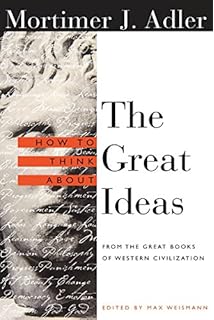
Probably Mortimer J. Adler had something to with it via his Great Books anthologies.
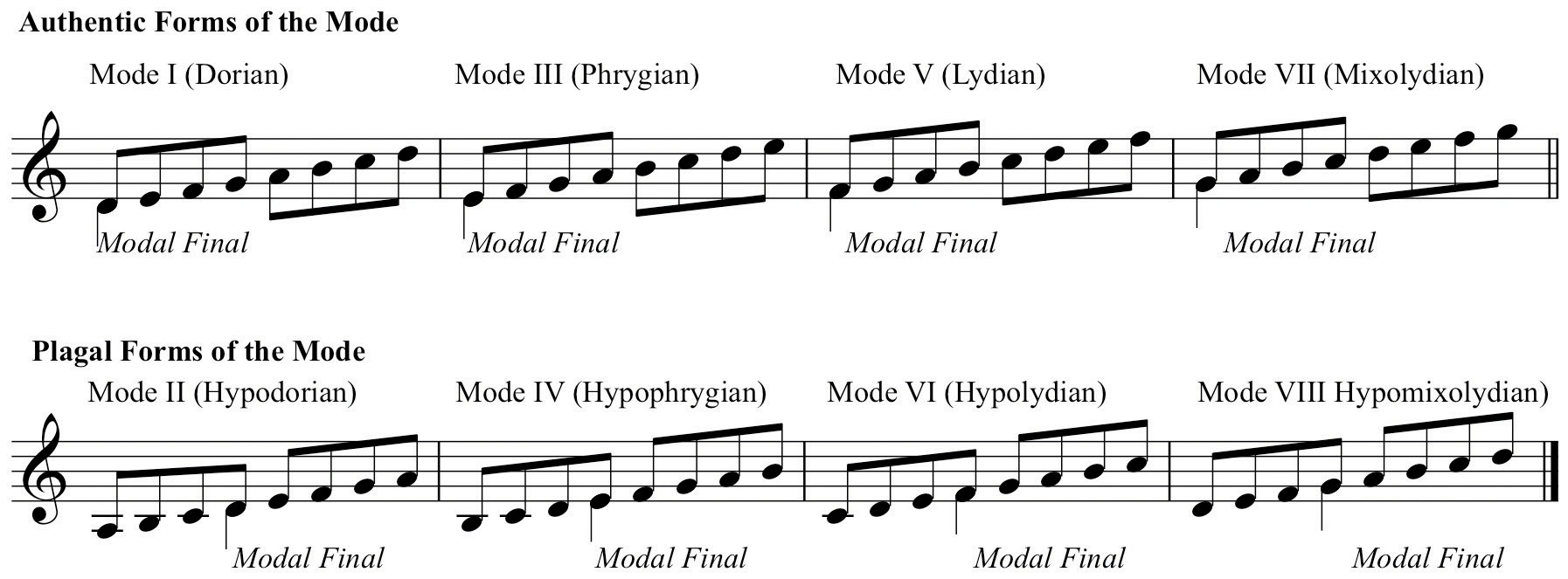
Also studying history of any part of the Western Civilization (e.g. music, art, literature, politics , philosophy) leads one back to the Greeks. The terms Greeks used for their modes are still used to talk about some musical modes. Terms like Dorian, Mixolydian and so on.
I have read both the Iliad and the Odyssey through at least twice in English. For some reason it catches my imagination. I am intrigued that its origin was probably aural. I would like to know how the poetry works. I understand that it’s in couplets. But look forward to learning much more when I can read it in the original Greek.
I suppose I have to think about the fact that studying the New Testament and Liturgy also inevitably leads to Greek study. I know that my Dad taught me a great deal that I only realize when I examine my own understanding carefully. For example, I knew that the sigma (the S) is written differently inside a word than at the end. I think my Dad told me this.
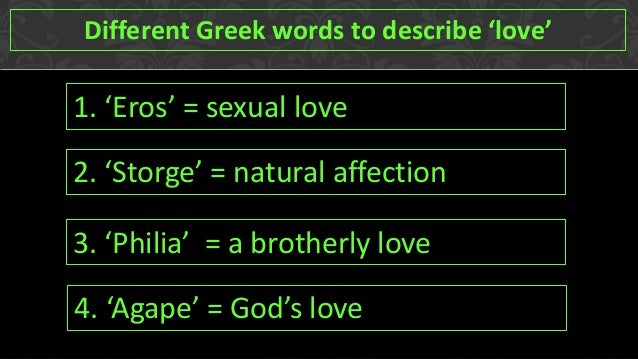
He also probably talked about the Greek words for love (agape, eros, philia… ). Reading in psychology and anthropology also leads to thinking about classical Greek ideas and myths.
I struggled this morning with my Greek. At the end of each chapter is a particularly thorough and difficult set of exercises. The one I am working my way through now is a series of paired sentences, one in Greek to translate to English and then another in English to translate to Greek. As you understand and translate the Greek sentence, you are then supposed to apply some of the grammatical understanding to coming up with a Greek translation of a different English sentence.
Difficult.
I missed a harpsichord recital yesterday. My friend Rhonda was unhappy that she couldn’t attend and urged me to go. I didn’t. Besides my usual laziness I think it was partly because I would find it heartbreaking to be so close to harpsichord literature (which i adore and can play) and know that I don’t entree to Hope’s harpsichords.
It’s slightly possible I could gain this access. But not likely.
The organ/harpsichord guy at Hope will not “friend” me on Facebooger despite repeated requests. I can’t blame him entirely. He and I have a “past.” I tried to reconcile with him years ago, but apparently that didn’t work for him.
He and I probably live on different planets of being. His is more academic and British. Mine more autodidactic and definitely American. Maybe he just thinks I look weird. Who knows.
Anyway, Rhonda, if you read this, this is part of my reluctance to go hear that recital. I also picture a harpsichord rattling around in the large auditorium (where the new pipe organ is hidden). But judging from pics on Facebooger they held it in a more intimate setting.
That must have been nice. As Rhonda says the recitalist, Greg Cowell, is a fabulous player. I’m sure he did well.
However I glance over at my harpsichord with its eight functional notes and my spirits sag. I’ve got to get back to working on it. Soon.
I’m embedding this talk again because I think it’s so important. I reposted it on Facebooger where I point out that McChesney says at one point (18:46):
In the United States… when decisions are being
made, if you’re not at the table, when those
decisions are being made, you’re what’s being
served at the table. Right now the American people
are on the plate, they’re not on the table. Democracy
means you get them at the table as full participants
in the discussion.
George Saunders is on the speakers at the Festival of Faith and Writing at Calvin College this year. He is a writer that both Rhonda and I admire and read. Thanks to Rhonda for this link of a 2015 article by him.
I am plowing through George Steiner’s book, Antigones. I have a life long interest in classical Greek poetry , philosophy and drama. Ostensibly each morning I spend time scraping away a few molecules of my ignorance of the Greek language in study. Behind this determination to learn Greek are a host of connections to texts by Plato, Homer and the playwrights (Sophocles, Aristophanes, and others).
Steiner begins his examination of the endurance of the Antigone story in Western Civilization’s “Literature, Art and Thought” with the philosophers. Many of the thinkers he draws on are familiar to me: Kant, Shelly, Matthew Arnold, Goethe, Hegel, Nietsche and others. Steiner is obviously working in a intellectual vein that also includes more modern thinks like Kierkegaard and Borges (both of whom I have read a bit in) and even Walter Benjamin and Adorno (whom I have not read; the latter of which Frank Zappa seems to have been influenced by).
The upshot of this is that he mentions a writer that I have not heard of, much less read: Friedrich Hölderlin.
Apparently Hölderlin was a very influential Romantic German poet and thinker. As described by Steiner I find his ideas intriguing. Hölderlin was interested in translation and did a German one of Antigone that was thought of as doggerel at the time (early 1800s) but was later considered the ‘highest poetry.’ He seems to have anticipated some of Borges’s fascinating ideas about the recreation and originality of translating from one language/culture to another.
Anyway, this morning I thought I should read “Patmos” which is one of Hölderlin’s last poems. Like Schumann, Hölderlin suffered from mental illness and spent a great deal of his life locked up in a tower.
(Schuman actually based a piano suite on Hölderlin’s works according to Steiner: Gesänge der Frühe, Op. 133. My copy of this music has no mention of Hölderlin.)
Here are links to the poem and an article by the translator. Warning: the poem is long and uses lots of Christian allusions (Patmos is the island where John is traditionally thought to have had his visions that he records in the crazy book of the Bible: Revelations).
Despite my own atheism I enjoyed the allusions. This is helped by the fact that Hölderlin himself rejected the ministry because of his own unbelief.
Speaking of long stuff, this morning I listened to the BBC news synopsis before getting up. Thus I needed something to listen to while cleaning the kitchen and making coffee. I found the following video. Man o Man. McChesney and Nichols (whose book, Tragedy and Farce: How The American Media Sell Wars, Spin Elections, and Destroy Democracy I am reading) have some shattering insights into what is happening to the planet via technology and the basic change in humanity we are facing. They are scholars. I haven’t listened to this entire talk yet. Did you know that FDR proposed a second Bill of Rights in his last State of the Union (link to Wiki article on this).
I recommend listening to this men. So far I have found it intellectually stimulating and thought provoking.
Talk by Robert McChesney and John Nichols co-authors of the book “People Get Ready: The Fight Against a Jobless Economy and a Citizenless Democracy” recorded March 9, 2016 at Town Hall Seattle.
So yesterday was full. I worked hard on my Bach piano piece in the morning. Called Ann McKnight the therapist and set up a meeting in June (her first available time). She said she was a provider for Priority Health (our insurance people) and that she did not need a referral. Eileen (who was at Evergreen when I made this call) pointed out that we are an HMO and that McKnight might need a referral. I left a message on her answering service to this effect.
Eileen busied herself with taxes and I walked to church to practice organ. Eileen attended a swimming aerobic class in the afternoon. After that we drove up for my doctor’s appointment.
The appointment went well. Doctor Fuentes is easy to talk to and intelligent. We went thoroughly through why I asked for a referral to mental health care people. She told me that she had already referred McKnight to our insurance so we were covered there.
She gave me the usual GP questions about depression for thoroughness sake (Thoughts of suicide? Binge eating?). She said I didn’t have warning signals of clinical depression but agreed it would be a good idea to pursue the mental health thing.
She also looked at my BP readings and listened to my heart. She was pleased with progress there. And I actually was a pound lighter in the weigh-in than the last time she saw me (I still need to lose weight, thought). The nurse took my blood pressure and it was low. This is a big deal for me. Doctor Fuentes and her staff think I have “white coat syndrome” because I often have initially high blood pressure readings but usually calm down and have better ones before I leave their office.
I, on the other hand, think I have a weird inclination to see weight gain as failure. So they weigh me and my anxiety is high about failure. Then they take my blood pressure. Yesterday I didn’t worry about it having gained weight. I knew that I had.
I also see this odd inclination to equate testing with success or failure in my own Mother. I know that I feel like I fail several times a day. But I rarely give up in the face of it. It’s usually musically related but not always.
I remind myself that I easily accept failure and shortcomings in others, why not in myself?
Doctor Fuentes was amused by my concern about lead poisoning. Apparently since the Flint debacle this is something she hears more. She instantly said we would test my blood for lead levels. I will go to the lab next week for a blood draw.
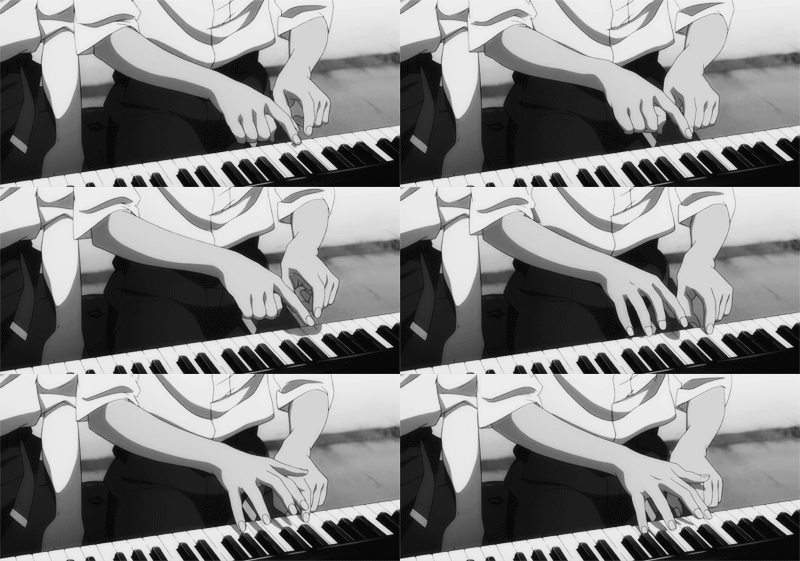
This morning my friend Rhonda has graciously agreed to play piano duets with me. I haven’t prepared the scores the way I wanted to but I am looking forward to this.
Last night I stumbled across a wonderful live recording of Keith Jarrett and his trio playing standards. Here is the entire lengthy video.
This recording is one of the best arguments I have seen for returning to the classic Fake Book tunes to make artistic statements. I have only listened to about twenty minutes of this video so far, but it blows me away. Jarrett and his trio definitely have something to say artistically that I rarely hear in academic Jazz. Of course Jarrett himself is a direct line to the Jazz tradition having participated in some Miles Davis recordings including one of my favorites, “Bitches Brew.”
Maybe I should add, that one of the things I love about Jarrett’s playing is the lyricism of his improvised melodies. This definitely is to the fore in what I have listened to of this recording.
McChesney has a realism about what can be accomplished by journalists at the best of times. Governmental criticism whether of military ventures or policies is basic. One is tempted when reviewing Obama’s presidency in paraphrasing: it was the best of times, it was the worst of times.
For all his accomplishments, he has extended the American agenda into more killings via drones, lack of transparency in his own administration and hostility to whistleblowers. Not good stuff.
I managed to speak to two mental health care givers yesterday. That’s the good news. The bad news, both John Gibson and Ann McKnight are full up right now and not taking new patients. McKnight offered to see me in June. I told her no because I hadn’t talked to Gibson at that point. But now I’m think she might be my best bet. I have a doctor’s appointment today and will ask her to refer me to McKnight.
I also emailed my boss who recommended two of these people. She is out of commission for a while as she recuperates from major surgery. She did, however, tell me I could email her during this time if something was on my mind and this definitely qualifies.
Yesterday was also the third Monday in a row I have observed myself experience an emotional crash.
I was getting tasks done. I called the tax accountant and set up an appointment for her to see us in the afternoon and finalize 2015 tax returns for Mom and Eileen and me. Called the shrinks. Spent serious time at the piano and organ preparing for some rigorous Bach performances at church this weekend.
Meanwhile, Eileen was finalizing our tax reforms when the dang computer printer refused to work properly. I managed to stay calm through this. We decided to go to the grocery store (probably a mistake), buy a new ink cartridge and while we were there pick up stuff on our ongoing grocery list.
This went okay. But by this time my feet hurt and I was dragging. On the ride back from the store, Eileen said she was too tired to mess with it anymore and that we should install the ink cartridge the next day and see if that worked then. This made sense.
So it’s after 5 PM. We’re home and I have the groceries put away and am merrily making my evening martini. Eileen pointed out that I had not been managing to clean drinking glasses thoroughly, since she noticed residue on some in the cupboard. At first I did okay with this, but eventually I crashed emotionally and felt entirely like a failure until bedtime.
Let me clear. This is not about Eileen’s behavior but about mine. If I thought Eileen was acting creepy I would instantly tell her and would not be writing about it here. She has been involved in what looks like an emerging pattern because she is really the only person around me. But not culpable.
So today I want to continue to intensely prepare for Bach for this Sunday. I have already spent some time with the piano piece (Art of Fugue 9) this morning. I am of course dreading my doctor’s appointment, but hope I can remember everything to tell her and to ask her.
The music went well yesterday at church. The two organ pieces I prepared and played by Alice Parker took an inordinate amount of changing of stops (sounds) throughout. I have become stubborn and insist on sometimes playing music that has soft sections in it for postludes. People pretty much ignore me anyway. And talk loud, of course. After the postlude yesterday (a charming jig for organ by Parker), my two listeners (Eileen and the Bass who is also a Methodist Minister) seemed appreciative. In fact, the Bass was chuckling which I counted as a sign of success since Parker asks for the performer to play her dances “with Humor.”
Eileen is at Evergreen for “Enhanced Fitness.” This means movement to music. I awoke at 3 AM last night and didn’t really get back to sleep. I think that contemplating therapy was on my mind. After I finish this blog, I’m going to call Lynn McKnight and ask if my doctor gave her a referral. Thinking about going into therapy can be overwhelming for me. I have such difficulty getting people to understand my point of view. And if the person I am talking to is not familiar with stuff that is important to me (like certain books, music and poetry) I am often bogged down in trying to reorient them. Meanwhile, the eyes of my listener often become veiled or confused. What the fuck am I talking about? their body seems to say to me.
I am determined to give therapy a try. But at the same time, I feel weighed down with my own inability to relate to people around me these days. And I’m not that consciously unhappy. Nor do I plan to adapt to others’ confusion or lack of orientation. This leaves me with a metaphor of being invisible.
I’m also planning to call the tax people. We haven’t heard from them since we dropped off Mom’s and our taxes a while ago.
Reading McChesney has helped me understand more the goals of extreme right wing and the oligarchy currently ruling America. Unions are high on their hit list.
China is just more overt in their control of the media. Over and over McChesney uses the old Soviet Union as an example of how we are operating now in the USA. Our media is about the wishes of the powerful. That’s not new. But it has also been coopted by a host of circumstances including replacing information with entertainment and unquestioningly passing on the propaganda from our government. You know. Like China.
Eileen and I watched this playlist version of a documentary on an arts program in Madison Wisconsin. It is surprising there is so much creativity and artistic sensibility represented in this documentary. Plus Brian Standing the filmmaker is excellent. Jes sayin.
%2Bwhere%2Bscore%2Bcalls%2Bfor%2Btopless%2Bsoloist%2Bin%2Bgas%2Bmask,%2B1967..jpg)














































.jpg)