Monthly Archives: October 2014

music etiquette


I think about concert etiquette quit a bit. I wonder about it. Historically the idea of listening silently and with total concentration to a piece of music being performed is something that evolved in Western Civ in the 20th century. In the previous centuries we have records of audiences being sporadic in the attention they paid to music being performed. If it caught their attention, apparently they were more likely to stop talking for a bit but soon would resume less than full attention to what was being played.

One may think this inattention limited to the Baroque and early Classical period before the notion of making one’s money through concertizing really evolves. Certainly it’s not hard to find historical references to outrageous behavior of listeners in churches and theaters.

Writing primarily about the evolution of solo piano recitals, in his book After the Golden Age, Kenneth Hamilton describes many different venues and behaviors of listeners in the 19th Century.  In theaters (concert halls of the time), musical performances often occurred between acts of a play.  I have read in other places that symphonies were not necessarily performed with all movements in a row. Other music would be interpolated between movements.

The hushed reverence that one often experiences at classical music concerts is more of an aberration in the long view of music’s history.

Hamilton writes of the early 18th century salon performances in which “audiences simply tuned out the musicians as providers of background music to their gossiping. Charles Hallé  was once bemused to be congratulated on playing more quietly than Alexander Dreschock, who was ‘so loud that he made it difficult for the ladies to talk.'” (p. 38 in After the Golden Age where Hamilton is quoting from Hallé’s Autobiography, with Correspondence and Diaries, ed Michael Kennedy, 1896, reprint 1972, p. 100).

In the same chapter, Hamilton attributes the creation of the mythology of a hushed concert in the presence of greatness to a 1937 movie, Moonlight Sonata.

It “codifies a certain idea of what a piano recital ‘should’ be like.” It stars the great pianist Paderewski as himself. In the opening scenes, “the concert hall was actually a stage set constructed in a studio in London and the members of the audience however much they genuinely enjoyed hearing Paderewski play were extras paid to look moved, awed, and ultra-attentive. The audience listens in admiring silence to the performance of Chopin’s Polonaise [which opened the film] erupting in enthusiasm at the end.”

I only mention this because I think a lot about how people connect with music in my life and experience. I was at a concert last night at Calvin College. My friend Rhonda was playing a movement of Lou Harrison’s Concerto for Organ (which was adapted for organ and percussion).  At the end of this performance which ended the first half of the concert, the piece ends with a thunderous sounding gong. It lingered and in the resonance their rather fine hall there sounded almost like feedback. During this sound the conductor (and organizer of the percussion concert) began turning the audience and obviously signally that the piece was over. I thought it a bit odd that he had quit listening to the sound of the music.

On the first piece of the concert, several young student percussionists came onstage and took their place at their instruments arranged in a row. The conductor was in place but one young person was wandering the stage looking lost for at least a minute if not more. Finally she picked up a drum stick from a stand which she seemed to have just found and took her place. As she was moving around I wondered if her movement was sort of a conceptual beginning to the piece. But no, she was simply unprepared. I hold the teacher/conductor a bit responsible for this.

But it was their first percussion department recital and wasn’t bad. I know Rhonda played well and there was a lot of good playing of interesting compositions.

It does leave me wondering about the strong contrast between how classical music audiences treat music and the vast majority of listeners in our society who probably “consume” most of their music as I am doing so right now, listening to recordings.
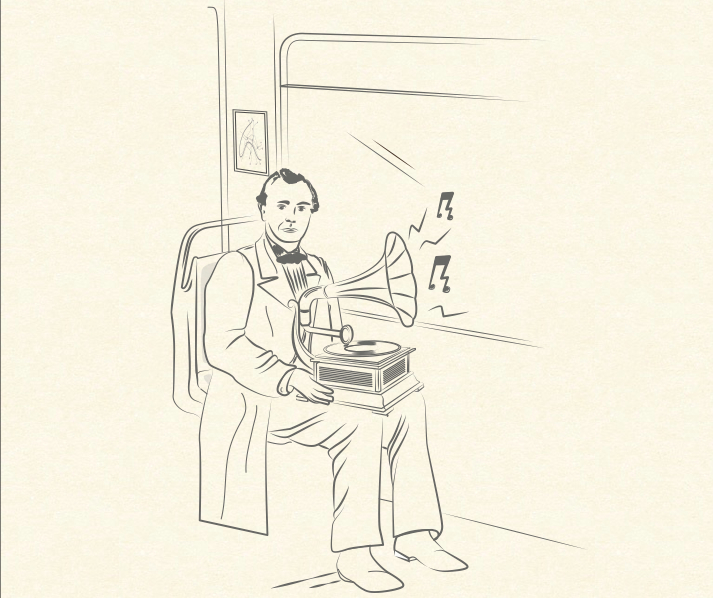
Dancing to music, singing along, or making it oneself situates music more firmly in the lives of people in our culture than listening privately, in my view.

Last week, a ballet student asked me who I thought the best pianist who ever lived was. I was aghast. I didn’t know how to respond. I feebly said something about that I didn’t think like that and didn’t really have an answer. He looked disappointed.
gaiman and spoilers


googleanalytics.oct.07.2014

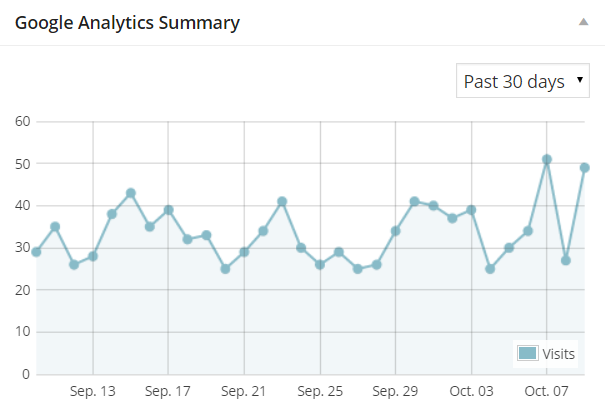
Traffic on this blog has been unusually high this week. It hovered around fifty hits on Monday and Wednesday. Not sure what if anything this means.

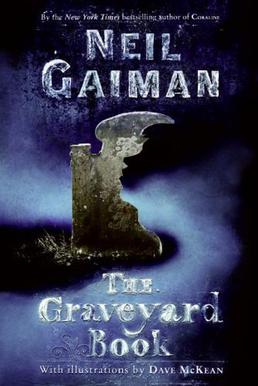
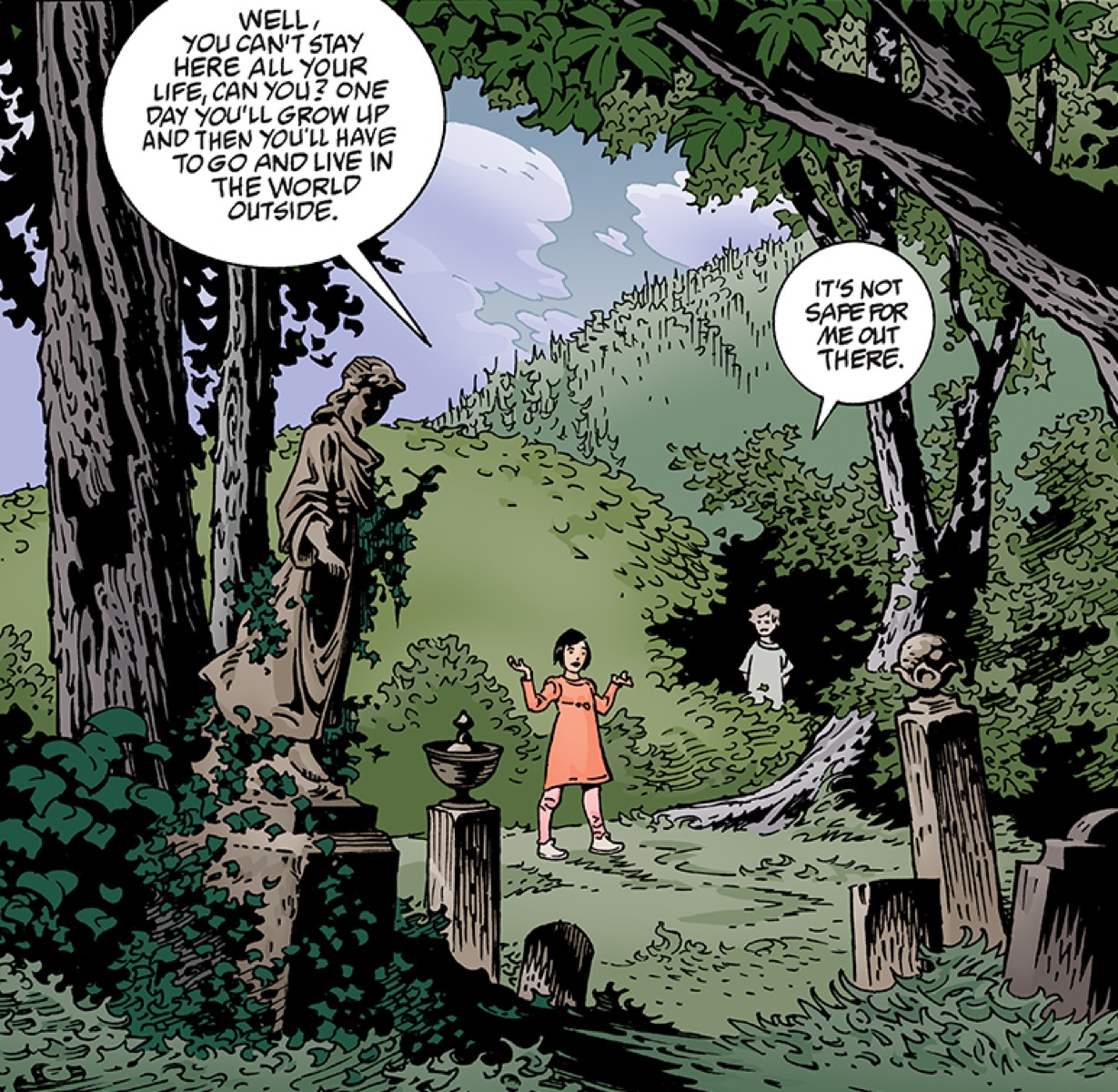
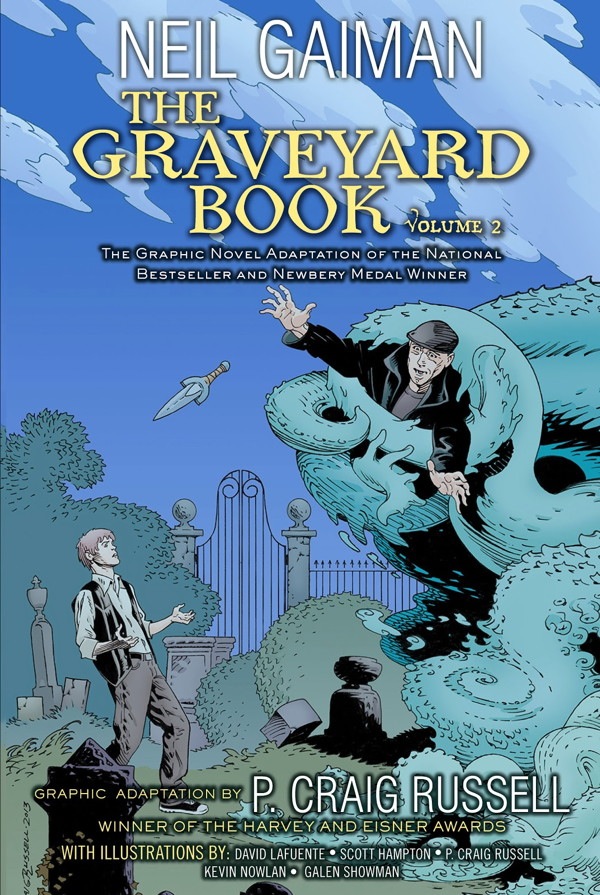
My local library doesn’t seem to own the second volume of the graphic novel adaptation of Neil Gaiman’s The Graveyard Book. But it does own the original novel on which it is based.

I checked it out and began at the beginning. This means I am rereading the material that the first volume is based on.

I don’t think I’ve ever done this in this order, that is, graphic (comic) book adaptation to original source. I have done it the other way  from original to adaptation.

I’m not a fan of Gaiman although I do read his work on occasion. I have to say that his prose is much better than the adaption. Of course the adaption like so many of Gaiman’s projects is not one graphic artist but many. Each chapter is drawn by a different artist. They do try to be a bit consistent in how they represent main characters and such but it is bit bumpy that way.

However the main difference is that Gaiman’s prose evokes in this reader much more detail and nuance than the comic book. This may be about my lack of visual response combined with a heightened sense and love of words.

Whatever.

I have been noticing that a lot of modern poetry I read seems to conclude with what is almost a punch line. It makes sense as poets cast about for the language they speak and hear people speak which is of course inundated with popular culture references and tempos and such.

Here are some good spoilers from They Don’t Kill You Because They’re Hungry They Kill You Because They’re Full by Mark Bibbins.

“… Jesus sure
would appreciate

how I redeem things
using like or as,

even if my cue
cards are crooked. Half the fun

of end times
is always feeling full.”

from Pat Robertson Transubstantiation Engine No. 4 by Mark Bibbins


“You fish, you wish you were robots
so you could drink the crude
that robots drink. You pelicans
you turtles, you shrimp, you know
the drill: IT IS WE WHO ARE IMPORTANT
when we swim down to the holes
we’ve punched in the world
and suck the money out.”

from Historical Action Figures by Mark Bibbins

In a Gritty Hong Kong District, Demonstrators Show a Populist Edge – NYTimes.co

This article points out that protesters sang “Happy Birthday” to quell attackers. The power of music.

Why Do We Re-elect Them? – NYTimes.com

Because what we believe about them is wrong, ridiculously wrong.

Hong Kong’s Leader, on the Protests – NYTimes.com

So the leader of Hong Kong writes a letter to the New York Times. Hey, isn’t that newspaper entirely censored in China? Hey.

University Acquires Flannery O’Connor’s Papers and Effects – NYTimes.com

I do like O’Connor.

sideways score and strengths and a p.s.


sidewaysscore

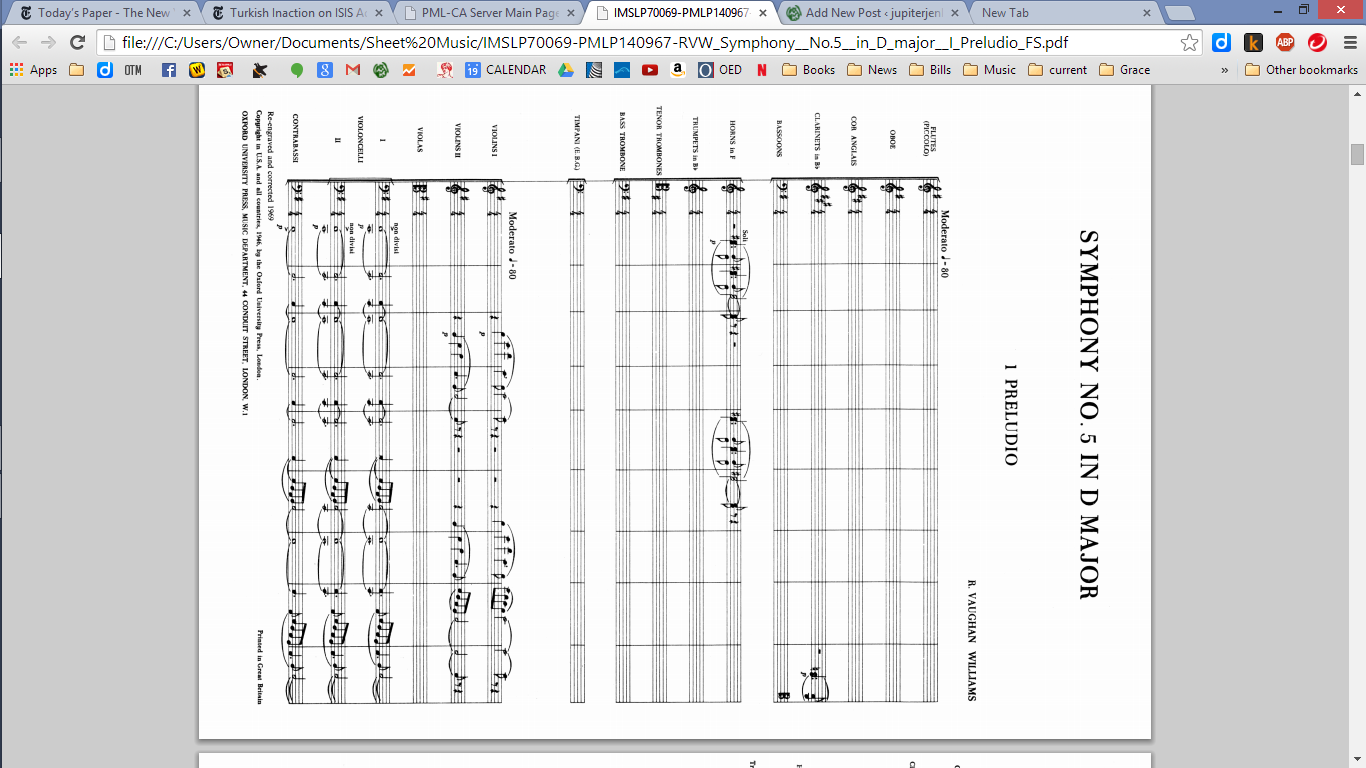
This morning I discovered that the Adobe PDF plug in on Chrome allows one to flip the page. This enabled me to look at a full score sideways. Helpful. I listened to the entire first movement of Vaughan William’s Symphony No. 5 following the score.

I have been thinking about Vaughan Williams a lot for some reason. I enjoy listening to his music. It does remind me of movie music but I still like it a lot. In fact he did write film scores. For example his Seventh Symphony (Antartica) was actually composed for a movie. It’s one of my favorite even though I know it’s use of an “ahhhing’ soprano is pretty hokey.

When I like something musically, I usually wonder how it works and if or how that contributes to my attraction. Studying a score can be helpful as well as actually playing through the piece (if possible).

The way Vaughan Williams moves through keys and comes up with simple but ravishing (to me anyway) musical ideas fascinates me.

I can’t quite figure out why the score to his Fifth symphony is sitting online. It was copyrighted in 1946 and re-engraved and corrected in 1969. But I’m not complaining. Once again the magic of the interwebs allows this eccentric quick access to stuff.

When I went back to get the link just now, I noticed it says that it’s only Public Domain in Canada (weird). For some reason it still allowed me to download it and then opened it up in a Chrome tab.

My early class canceled yesterday (the teacher was sick). Although this allowed me to not have to rush over to the Farmers Market before 8:30, it kind of threw my day off kilter. My first class at 11 AM didn’t go very well from my point of view. I wasn’t happy with my improvs. I wondered if it was related to spending time composing the day before. Probably not, but I don’t really know how this stuff works for me.

I redeemed myself in my own eyes at my 2 PM class with decent improvisations.

I was laying in bed thinking this morning about an AGO questionnaire I filled out online yesterday. It asked about the AGO certification exams and whether one had taken any of them. A separate question asked if one held any of the subsequent credentials one receives if one passes.

I have taken the AAGO exam twice I believe. The first time I didn’t have passing scores. The second time I did but ironically failed one little section which disqualified from the certificate. The irony is that it was a modulation that completely did meet the approval of one judge who gave me no credit which lowered the combined score below 75% or whatever failing was.

And I think that improvisation is one of my strengths.

But I hesitate to do much bragging. I think of an organist I knew in Detroit. He was very unskilled. I’m not sure he could read bass clef since he seemed to chord everything. He was, of course, an active church musician.

When I resigned my post in Trenton, he auditioned. I sat in on his interview. He told the committee that he wasn’t that great a player, but he played a mean service.

It was one of his strengths.

P.S. As I was proofing this blog entry this morning, I realized that it and my daily email to my absent wife fill a need I have for conversation. I sometimes wonder what it would be like to be a character in one of those post apocalyptic novels where only one person survives. I read one once where the survivor was also a pianist and realized that his rendition of Beethoven piano sonatas was now the current definitive one since it was the only one. I read one once where the survivor was also a pianist and realized that his rendition of Beethoven piano sonatas was now the current definitive one since it was the only one.Silly. But likewise I found myself thinking I must remember that even when no one is there to read my emails or blogs they are still fulfilling my own need for substantive conversation.
Cheers!

getting to a good space


Yesterday was the first time I actually looked forward to and enjoyed my daily organ practice since getting back from China. I returned to continuing to rehearse the big Mendelssohn sonata movement I learned and performed before. I added some Bach trio sonata practice and several variations of the Sei Gregrüsset variations by Bach.

I performed the latter  a zillion years ago in undergraduate school and have always liked them.

I think that spending time composing yesterday put me in a good space and I was relaxed and energized for the rest of the day.

I also practiced some upcoming Vaughan Williams organ stuff I will play Sunday. This put me in the mood for Vaughan Williams and I came home and exercised to two of his symphonies.

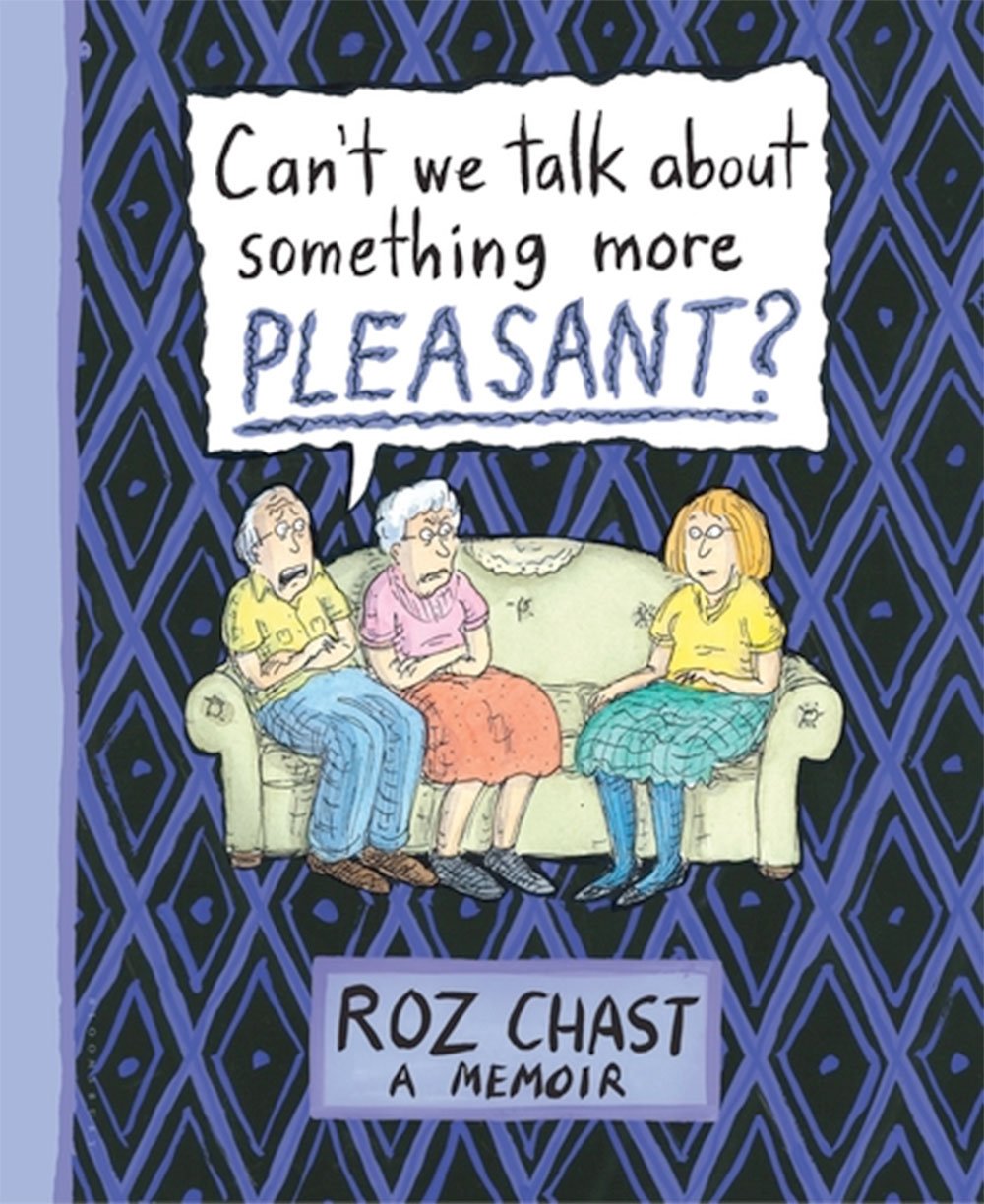
I am enjoying Roz Chasts’s Can’t We Talk about Something more Pleasant? 

“Taking care of my father didn’t bring out the best of me,” she writes. I keep laughing out loud and relating to her grappling with the death of her elderly parents.

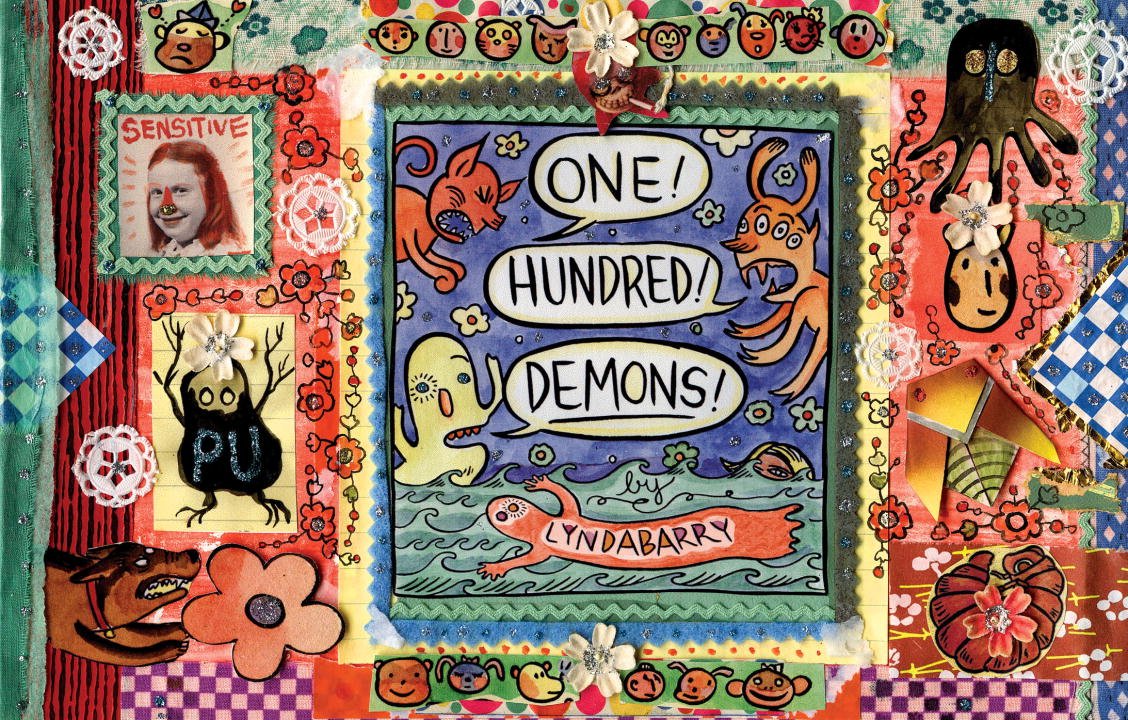
I finished the other two comic books, One! Hundred! Demons! by Lynda Barry and The Graveyard Book volume 1 by Neil Gaiman.

Barry was fun. The graphic novel rendition of Gaiman left me thinking I should either read the original regular book or see if the library has volume 2.

Shit. I see the old clock the wall is telling me to get moving. Gotta skate.

In Book, Panetta Recounts Frustration With Obama – NYTimes.com

I am surprised the press is giving Panetta a pass and treating him like a wise  person. I remember his aggressive policies and being relieved when he stepped down.

Our Understanding of Giraffes Does Not Measure Up – NYTimes.com

Wow. I never understood that Giraffes were so unique and interesting.

Protest Organizers Claim Progress for Hong Kong – NYTimes.com

I hope that something comes of this demonstration and at the same time I am relieved that there has not been a massacre of civilians.

New Image of the Hong Kong Protests: ‘Umbrella Man’ – NYTimes.com

private jupe and public hymn singing


I am thinking this morning of how very private and intimate the act of composing is for me. I have developed rules for myself over the years about this area of my life. I do not share very much about it especially when something is in process. I have found that if I do so, it can sabotage it. Of course it’s all my own doing. But still I have to find what works for me no matter how pathological it looks objectively.

This morning I woke from a dream about composing. In it I was showing a work in progress to two people: one young man and one tall thin professorial type man. I had just shown them a sketch for a piece. It was the melody only and was modal. I had words in mind and godhelpme I think it was a religious piece of some sort.

As I prodded the young man for feedback he kept asking me if I was sure I wanted a high schooler to give me reaction. I could see that both he and the professor had questions about the work in progress. I began asking them about specific flaws they might be seeing in the work.

Then I woke up and remembered that I had attempted to set some time aside today to do a little composing.

When I was a younger man, I remember spending long days alone in a cottage in northern Michigan working on compositions. This was before Finale and I remember taping pages and pages of works in progress on the cottage walls. It helped me think about the music.

Yesterday there was a very odd moment in the funeral. We were singing the closing hymn which was “When Peace Like a River.” I wasn’t sure how familiar this particular hymn was going to be to this particular congregation gathered to mourn. It comes from the Ira Sankey American hymn tradition which is to say it’s evangelical and slightly sappy.

I remember my own father leading congregations in this hymn.

paj

It is found in the Church of God hymnal of my youth.

It was printed in the bulletin so I didn’t give too long of an introduction. I began it with a conservative solid tempo. About halfway through the first verse I heard a loud twangy voice singing at its own tempo. At first it seemed to rush through, then it held end notes very very long. I was at loss at what to do and the congregation was certainly unsure of how to proceed.

I admit to a certain amount of perverse amusement which I hope did not show on my face even though few people look back at the organist.

I spent the rest of the hymn negotiating with the loud voice and trying to shepherd the congregation through the hymn which they were for the most part attempting to sing despite the crazy man.

Gradually the loud twangy voice sort of fell into my tempo and ceased holding the ends of phrases way too long.

Another day in the life of this church musician, I guess.

Law Without History? by John Paul Stevens | The New York Review of Books

I have bookmarked this to read. John Paul Stevens is a retired associate Supreme Court Justice.

Chobani and Dov Seidman Wrestle Over Use of ‘How’ Trademark – NYTimes.com

It always amuses me when people try to claim ownership of meaning.

‘The Assassination of Margaret Thatcher,’ by Hilary Mantel – NYTimes.com

This book review inspires me to try this author.

Charles M. Blow’s ‘Fire Shut Up in My Bones’ – NYTimes.com

I have been a fan of Blow ever since he appeared on the NYT Op ed page. I will probably read his new book of which this is an excellent review by the Nation’s Patricia Williams.

jupe goes to the dogs and pics from china


For the first time I used the harpsichord stop on my electric piano in public to play baroque harpsichord music yesterday at the Blessing of the Animals. None of the animals seemed to mind. It was mostly dogs of course. I sometimes think of the character in Olaf Stapledon’s Sirius. Sirius was a super intelligent dog. His hearing was keen. He despised human music as being too clunky. Dogs can hear much better than humans and it does occur to me to wonder how music sounds to them.

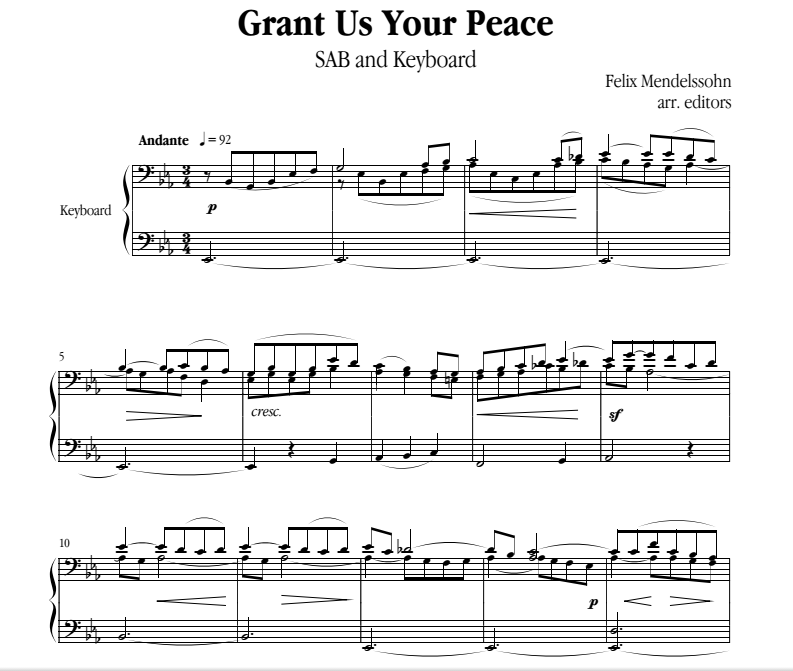
I played well at church. I thought I especially did well on the lengthy introduction to the Mendelssohn anthem we did. Mendelssohn wrote some lovely voices into the running piano accompaniment and I managed to play them like little melodies talking back and forth to each other.

grantusyourpeace


I made an excellent stir fry for lunch after church. I think it helped to throw in some rice noodles and garlic chili sauce. Yum.

I put up some more pics on Facebook yesterday of the China trip.

WP_20140919_014It really was a fun trip.

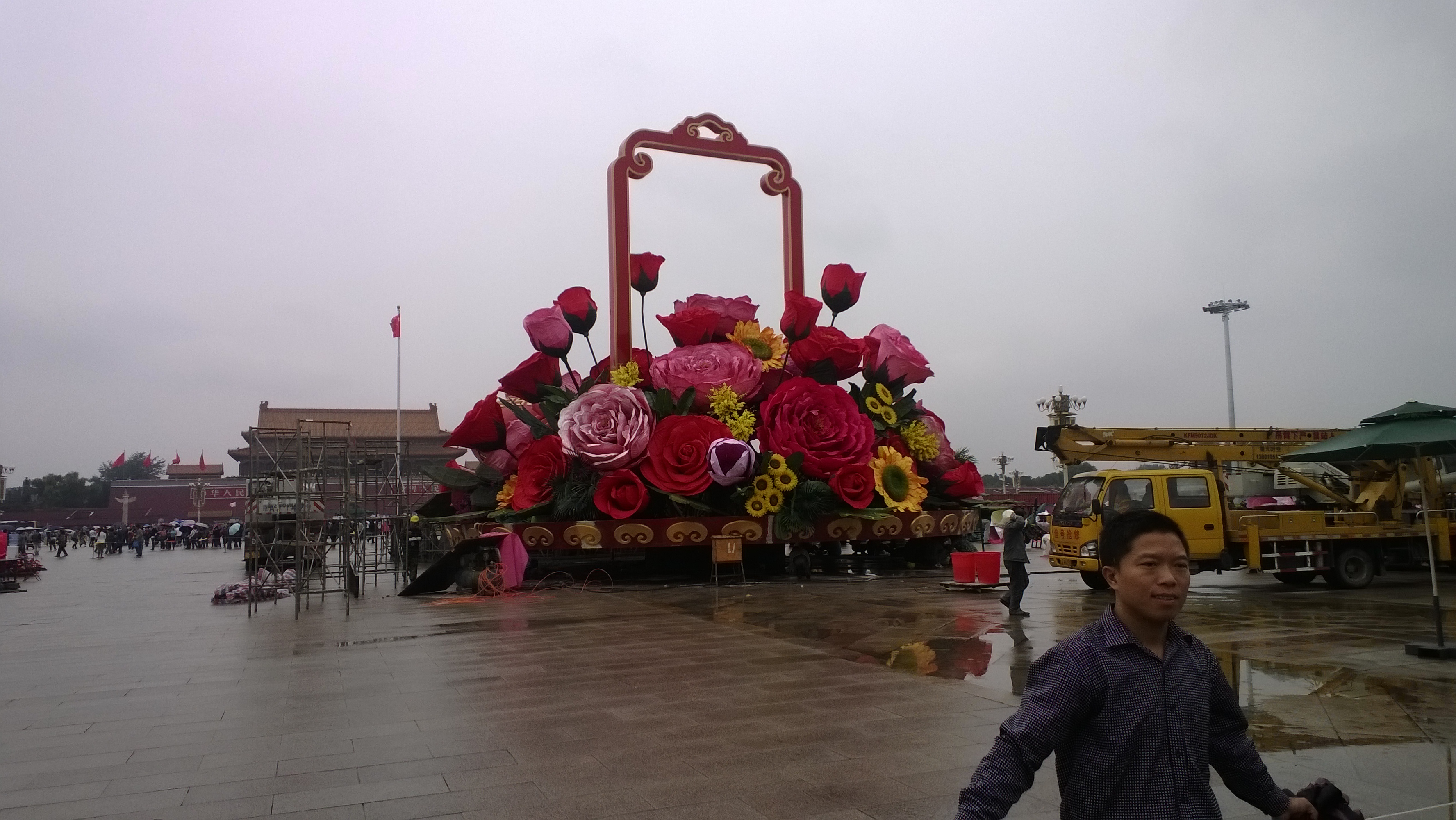
Some odd huge flowers sitting near Tienanmen square. No doubt in prep for upcoming celebration of National Day.
Found pictures of the final assembly of it online.


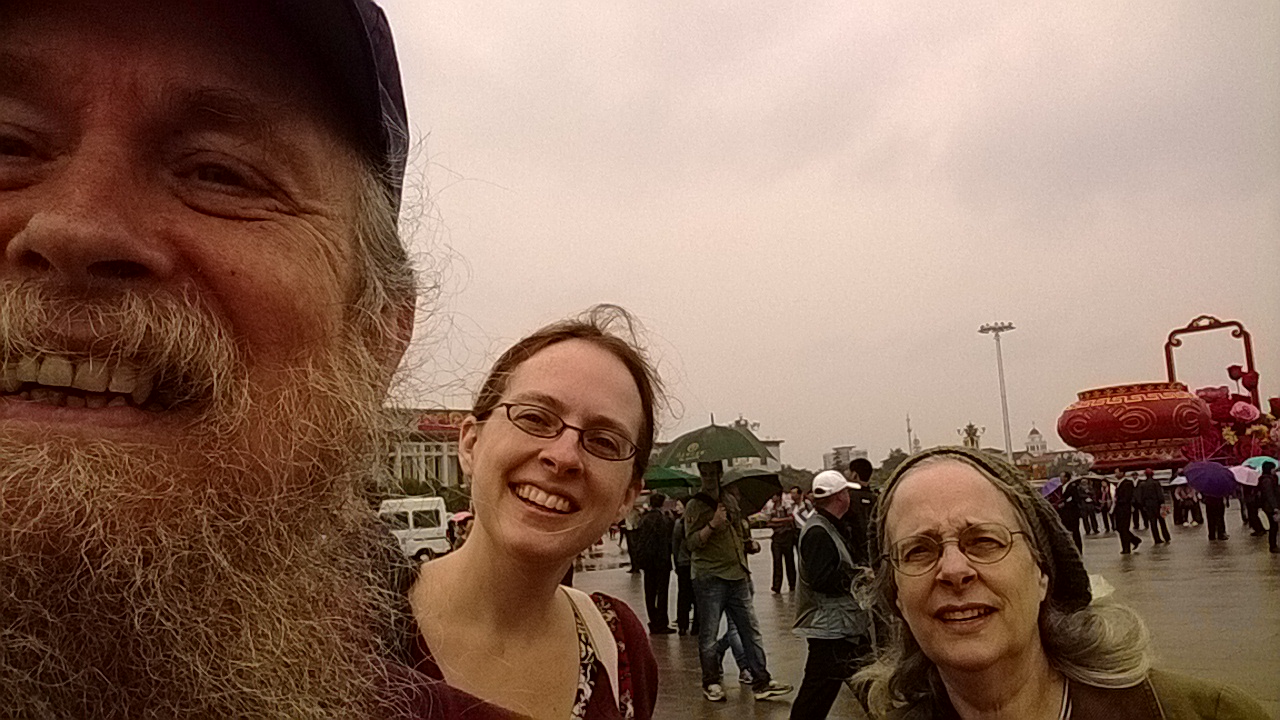
You can see the giant pot for the flowers in this selfie.
WP_20140924_026
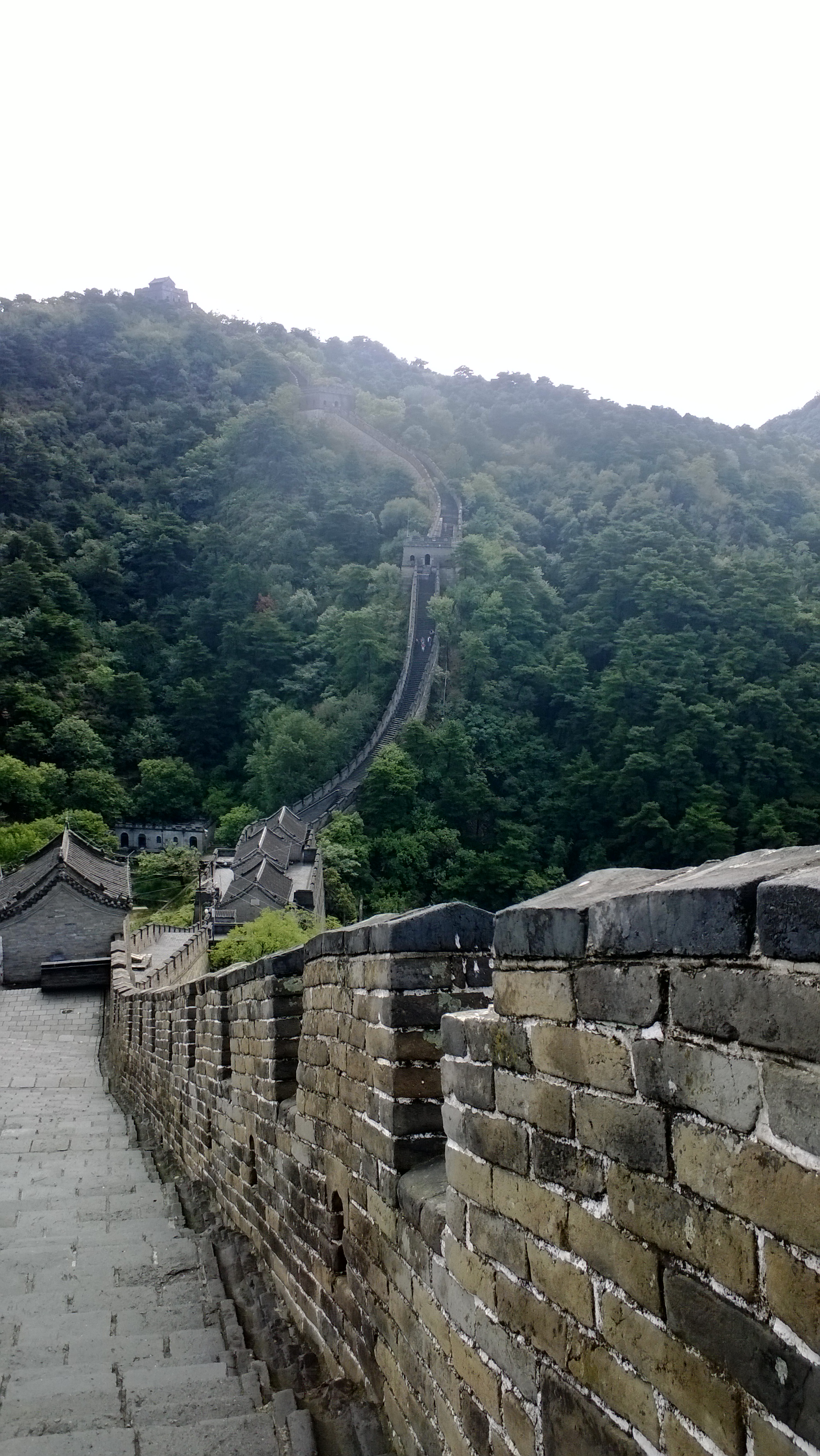
Eileen was determined to visit the Great Wall this time, so we did.

Maybe I’ll put up more pics some other time. I have zillions of them.

Who Are ‘We the People’? – NYTimes.com

Leftist political commentary that I totally agree with.

9 African Animations for Children you should look for – AfroMumAfroMum

Jeremy put this link up on Facebook. I might check one or two of these out. Might be good for my California grandkids (Hi David!) or the Edgington kids (Hi Rhonda!)


greek, coulé, comix & blessing animals


I have been practicing my Greek pronunciation with my new CDs that go along with my texts. While I mostly nailed the pronunciation from reading the guides in the texts, there were a few things I wasn’t doing right so it has been helpful.

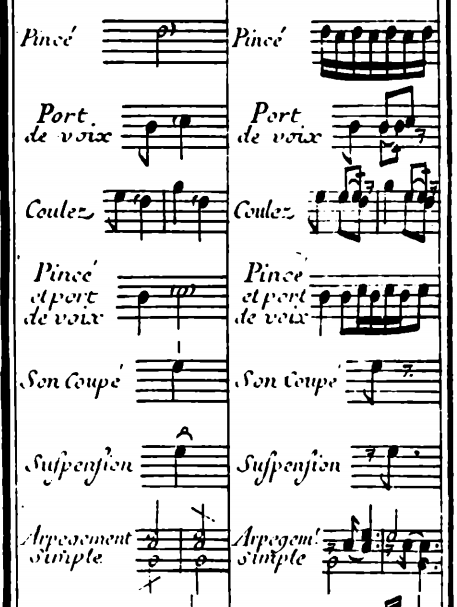
This process reminded me a bit of working out the ornaments in Rameau. I had used the chart that he made and was reproduced in my book to make sure I was doing them the way he intended. However after listening to Blandine Rannou play some of the pieces I am working on I realized that I had not quite understood one of the ornaments.

A curved slash before a note can mean two things. If the note is approached from below it is a "port de voice." However if the preceding note is higher, the note used should not be a lower auxiliary note but a higher one. This ornament is called a "coulé." I learned this ornament as a "coulé de tierce" from my teacher Ray Ferguson, but it was never notated the way Rameau does.

Funny how these two processes seem similar to me. In fact doing ornaments in baroque music reminds me of working towards correct pronunciation in a foreign or classical language. It seems to happen in the same part of my brain and in the same way.

I checked out another graphic novel type book yesterday at the library.

Can’t we talk about something more PLEASANT ? a Memoir by Roz Chast came out recently and I have had my eye on it. It’s about the death of her elderly parents.

Passing through the Graphic Novel section I noticed it. This means I now have three graphic whatchacallits (they’re not all novels… comic books?) sitting in my to-read column.

The other two were birthday gifts.

One! Hundred! Demons! by Lynda Barry.

A gift from my friend Rhonda Edgington. Thank you, Rhonda!

The Graveyard Book: Volume 1 a Graphic Novel Adaptation of Neil Gaiman’s book by the same name. It’s signed by Gaiman!

This was a gift from daughter Sarah. Thank you, Sarah!

I find it interesting that two people thought I needed a graphic novel/whatchamacallit for my birthday.

This afternoon is the annual “Blessing of the Animals.”

I haul my electric piano over to church so that I can play for it in the church yard outside. I hadn’t double checked my equipment until this morning.

It turns out that the amplifier is still working and I found a cord that doesn’t seem to have a short in it. I guess I’m good to go. I haven’t checked my battery set up but can easily run electricity from the church.

To test it, I used the harpsichord setting and played some Rameau. I have this evil notion of using that setting this afternoon and playing baroque keyboard music for the Animal service.

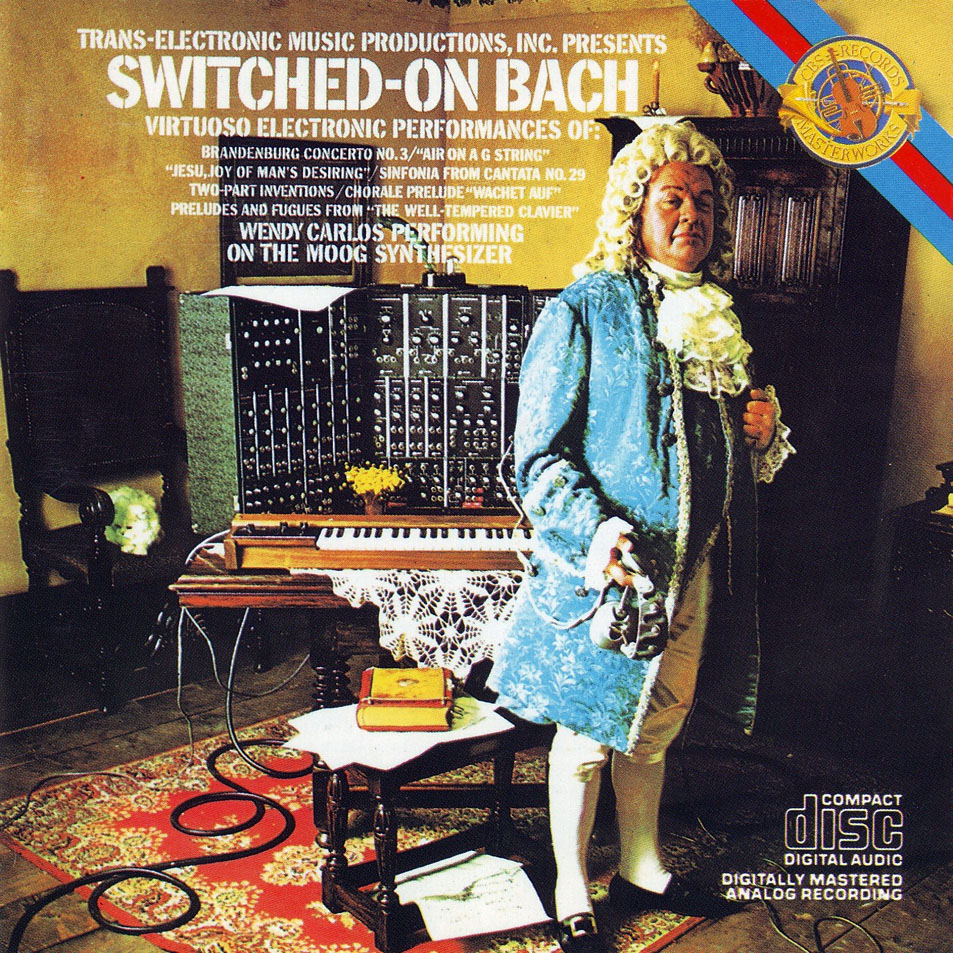
I guess my standards are shit. It doesn’t help to have Wendy Carlos in your ears.

I remember playing a gig for a local high school teacher who objected to the sound of my electric piano. It reminded him of the Blues Brother’s lounge band sound, Murph and the Magictones.

Ahem. I have actually spent some time performing in lounges and bars. Shows to go you I guess.

more rameau


Nouvelles suites de pièces de clavecin de… by francemusique

This is the video that sparked my recent return to the music of Rameau. I like the way this woman plays.

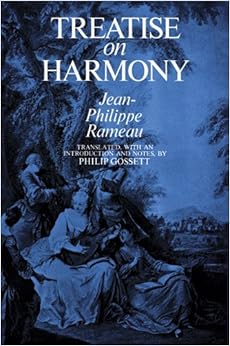
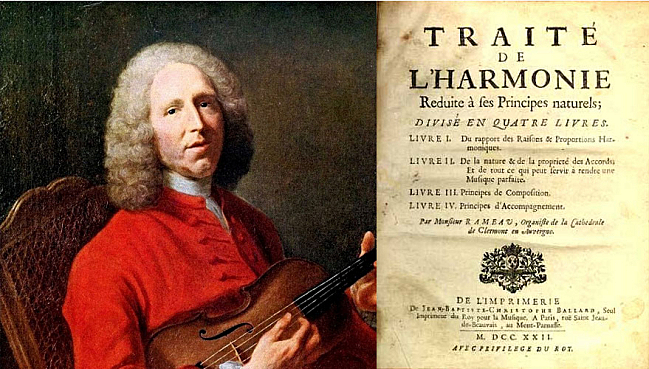
I was pleased to find my copy of Rameau’s Treatise on Harmony sitting on my shelves.

Rameau was a very interesting dude who lived at the time of Bach, Handel, and Scarlatti. I think of him as the theorist who moved music theory toward the way it was taught for the next 200 years or so.

Bach tended to think intervallically more than chordally. Rameau used the idea of a fundamental bass tone instead of thinking primarily in intervals from the actual lowest note. If this sounds like gobbledy gook to you, suffice it to say that thinking of chords by their chordal name such as C major chord no matter what note of the triad is in the bass has its origins in the thinking of Rameau and some of his contemporaries.

Nevertheless, his music is pretty neat and I have been enjoying the fuck out of it.

As I’ve been checking the OED and Groves Music Dictionary online I notice that both resources have done an update in September. This updating is one of the things I like about accessing these excellent resources online. The other is the ease with which one can negotiate a multi-volume reference work.

I notice that I’m getting a few more hits per day than usual on my blog lately. It’s hovering near 40 a day. It’s more usual to be 30 and under. Not sure what that means.

Karl Miller obituary | Books | The Guardian

This guy looks to be very interesting. I pulled several names of writers from his obit to check out as well as checking out his own work.

In Hong Kong « LRB blog

Karl Miller (above obit) was the editor of the London Review of Books. I was pleased to see that I already had it bookmarked. This article is by some one from China who visited Hong Kong this week.

Banksy Mural Satirizing Racism Is Erased After Complaint – NYTimes.com

Fuck Art. We can’t allow our bigotry to be displayed on the walls of our small minded little town for all to see.

Why Some Monarch Butterflies Are Marathoners – NYTimes.com

Genetic evidence that North American Monarchs are the older species.

 Ton Koopman sounds like a cool dude. I like that this article opens with him playing goofy church music. I also like this:
He studied with the legendary Dutch keyboard master Gustav Leonhardt — a figure of austere, somewhat forbidding principle. “With him, you played for yourself. I prefer to play for the audience and give them a nice evening,” Mr. Koopman said.

Chinese Web Censors Struggle With Hong Kong Protest – NYTimes.com

Apparently the word for “umbrella” has been banned from SINA which runs most of China’s online sites.

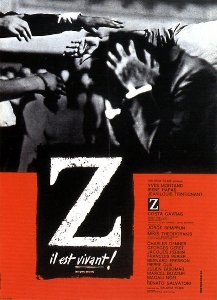
This reminds me of the novel/movie “Z” which ends with the idea that the letter “Z” which had been used by revolutionaries as a symbol was banned.

CostaGavrasZ.jpg

Link to YouTube Playlist which seems to be the 1969 French movie with English subtitles.


jupe luxuriates


It has occurred to me that this period of solitude might be a good time to do some composing. Today at 6PM Hope college begins its fall break. It resumes on Wednesday. Monday and Tuesday might be good composing days. Unfortunately I do have a funeral on Monday afternoon. But if I do my weekly church work on Monday that would free up the entire day on Tuesday for some composing.

Compose! Compose! Not Compost!

It’s funny because I’m not doing much composing these days. Neither am I playing guitar or banjo. I don’t feel that I have abandoned these endeavors just that they are dormant. Improvising so much at ballet does provide me with a healthy outlet for my creative thinking.

I am beginning to see my relationship to music as almost subversive in its counter notion to what most people see as music and the activities of musicians. I see music as an almost artisan activity. That is, a craft that is the result of continued practice and care.

Most people I rub shoulders with don’t seem to see my craft much less get it.

As I age this becomes more and more okay with me. If I am allowed to sit in a room (a ballet classroom or a church) and do my craft it is very satisfying to me. Add on to that hours of playing and re hearsing by myself and I begin to feel like a lucky subversive. Yesterday I spent hours with Rameau at the piano. It has been liberating to me to attack my harpsichord repertoire at my clunky old piano. I miss my harpsichord but there is no immediate possibility of getting it back in working order.

But mostly I miss the music.

In the introduction to my edition of Rameau, the editors discuss the terrible editions of the 19th century that were mostly for performance on piano. They then outline their own editorial approach of restoring the first published edition which was supervised by Rameau himself. They even go so far as to retain his idiosyncratic ornaments urging the performer to take the time to learn them.

rameau.pince

You can see some of them above. The Pincé (pahn say) and the Port de voix (pore duh vwah) are the first two above. The weirdest one is the Suspension which actually delays the note a bit. Rameau has thought carefully about how the performer should approach his music and if one studies them these all marks make a lot of musical sense.

Anyway the editors of the edition then go on to say that there is no reason not to perform Rameau’s harpsichord music on the piano as long as one performs them stylistically.

I combine this admonition with Glenn Gould’s assertion that not only can baroque keyboard music be performed on the piano but that the piano is the best keyboard instrument for counterpoint and other baroque attributes.

This frees me up to and gives me access to much music I love and have studied.

I know that so many people are filling their ears with other musics these days. And what they listen to does interest me. But I luxuriate in the other musics in my life that I now think of as subversive, counter both to the popular culture and also in the academies (colleges) which have come and gone in my life.


a little memory of a cousin


I guess it’s okay to write about the death of my cousin Rick here now since his sister posted it on Facebook. She had previously messaged my brother and me about it.

Apparently Rick was living alone and didn’t show up for work this week. After a couple days they went looking for him and found him sitting dead in his apartment of an apparent heart attack. Rick is slightly younger than me. His father also died pretty young at the age of 57. Rick made it to 61 or so I guess. Both deaths were unexpected. Uncle Richard died in his sleep one night. I can only hope Rick’s death was okay if not peaceful for him.

I try to reach out to my extended family. I was friends with Rick on Facebook but that was about the extent of our connection at this time in our lives. His sister indicated he preferred to be a bit distant to family.

I remember him from my youth however. My family used to make regular pilgrimages to the street in South Charleston, West Virginia where my Mom’s entire family of origin lived. Central Avenue was a steep hill. Uncle Richard’s house was the highest on the hill. A few doors down from him was the home of his Mom and Dad (my Pop Jim and Grandmother Midkiff or Maummy as they all called her). Across from his Mom and Dad lived his sister Aunt Ella and her fam.
There was a view of the industrial valley from Uncle Richard’s house. I remember the strong stink of pollution that none of my cousins could smell since they were used to it. We sometimes drove through a little industrial town named Nitro (Nitroglycerin I always thought) to get there.

I remember specifically one summer that Rick and I spent hours together on his front porch with at least one guitar singing Peter, Paul and Mary songs. It was great fun. I can still hear him singing along on “Flora, (the Lily of the West).”


ai weiwei and old guy energy


Sunday night I watched “Never Sorry” a documentary on the artist, Ai Weiwei. I quite enjoyed it. It’s on Netflix.

I especially liked his Tate Modern show of sunflower seeds.

Apparently he and many others made millions of these little ceramic seeds and spread them on the floor at the Tate. Very cool.


He released this video in May of last year. I’m not too impressed with the music, but at the end of the video it looks like his son shaves his head and he goes cross dressed.

I mention this because I understand that people are shaving their heads to show solidarity with the Honk Kong protesters.
I wondered if there was a connection. Probably not, but still I know that Ai Weiwei is hugely popular world wide.

Yesterday I managed to swap out my old Comcast modems for a single new unit. So far it seems to work okay.

I also spent a good portion of the day prepping for this evening’s first choir rehearsal of the season. I am wondering how my jetlag energy will hold up. I know I’m gradually getting my groove back, but unfortunately it’s my 63 year old type groove which is unpredictable to me in its consistency especially when I compare it to my unrealistic expectations

Ah well.

I think it’s going to be fine.

For China, Limited Tools to Quell Unrest in Hong Kong – NYTimes.com

Good synoptic over view with informative side bars. I put it on a friend’s Facebook feed after we talked yesterday and he had little idea of the history and what’s happening in Honk Kong.

Of course it could all change today and not in a good way. The first thing I did this morning was check news for what’s happening in Hong Kong. I couldn’t find anything on Google News, NPR  or BBC so I turned to twitter. Much better updates but of course not terribly reliable unless it links in to other stuff.

Toolmaking May Have Risen Independently – NYTimes.com

This kind of research always fascinates me.

Delayed Justice for the Navajos – NYTimes.com

The story of native americans is so disheartening. How does one do compensation for systematic genocide?