Monthly Archives: October 2013

five men


I noticed yesterday that five men were in my head throughout the day. They of course were not the only ones but since they are all composers of profound music they share an impact on me.

First I played through a variation from the Goldberg Variations of Bach that I’m pretty sure I had never played through before (Variation 26 below).

At least I don’t remember doing so (thank you, Alzheimers).

Then in the afternoon, my piano trio met. It’s the first time the three of us have been together for a couple of weeks. I canceled one week. The second week the violinist didn’t show. But yesterday we were all there.

We began with Fauré. First a trio arrangement of his song, Après un rêve.

It’s the length of an art song (which is not very long).

Then we moved on to his piano trio.  This is an intriguing composition to me. The accompaniment patterns in the piano never repeat the way one might expect. There is always a subtle and telling change. The themes in the two movements we played through yesterday are beautiful, unique and to my ear very modern sounding (more like virtuoso popular music than “clangy” modern).
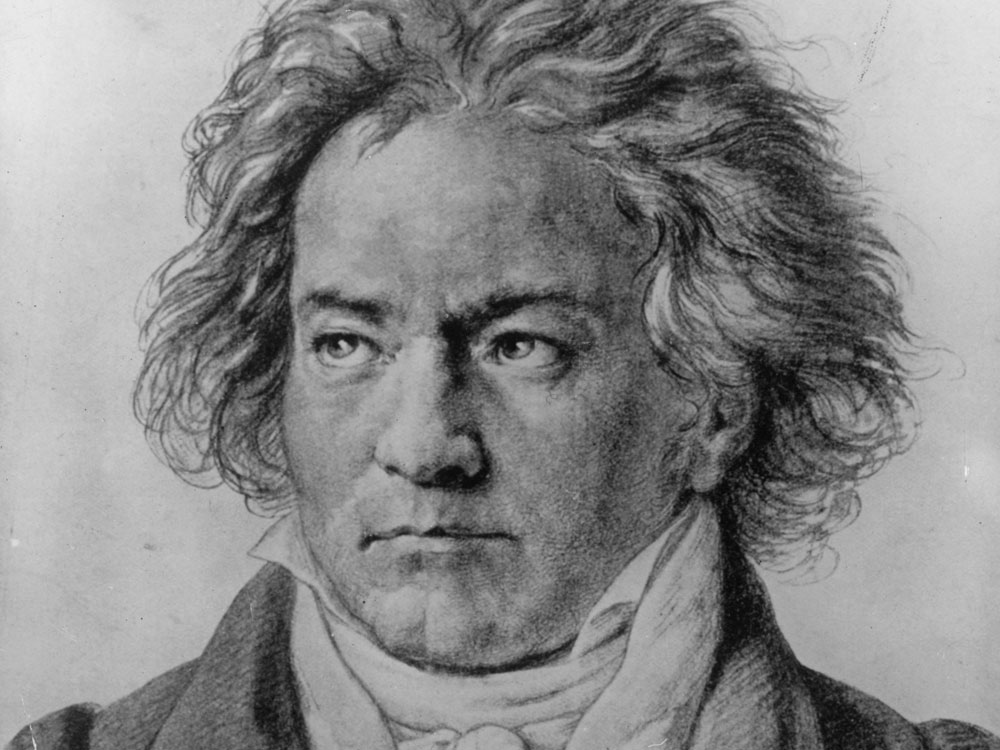
We finished with the first  movement of Beethoven’s C minor piano trio. We have been rehearsing this one on and off for a while. I have noticed that my keyboard technique is kicking in more and more. This is helpful because the piano part to this trio is a handful.

Earlier in the day, I had rehearsed my prelude and postlude for this Sunday. We are singing a little Baroque Italian thing for the anthem. I thought it might be fun to use Italian organ composers.

The prelude is a toccata by Frescobaldi.

The postlude is a ricercar by Andrea Gabrieli, uncle to the more famous Giovanni Gabrieli.

Playing the music I did yesterday was like having a conversation with or maybe overhearing intimately other minds. Over and over I feel privileged to come into contact with people who have lived and breathed long before I was born. Bach’s intricate twists and turns in his Goldberg Variations. Fauré’s elegant, beautiful, disturbing comments in his trio written late in his life. Beethoven’s stormy full throated ideas booming in his trio movement. Then the careful Renaissance world of interesting small capsules of meaning in the back and forth working out of beautiful musical and rhythmical ideas.

When playing early Renaissance music I remember that the original music when played or sung by groups of musicians was never written in score. Instead each player had his own part to sort of work out with other players without the regularity of numbered measures.

There was never a “start at Letter A” when there were essentially no  measures and ideas were as long as the composer made them and often overlapped in marvelous ways.

The independence of the voices was such that composers like Palestrina disdained to compose separate voices in score. Instead they would write out each line separately.
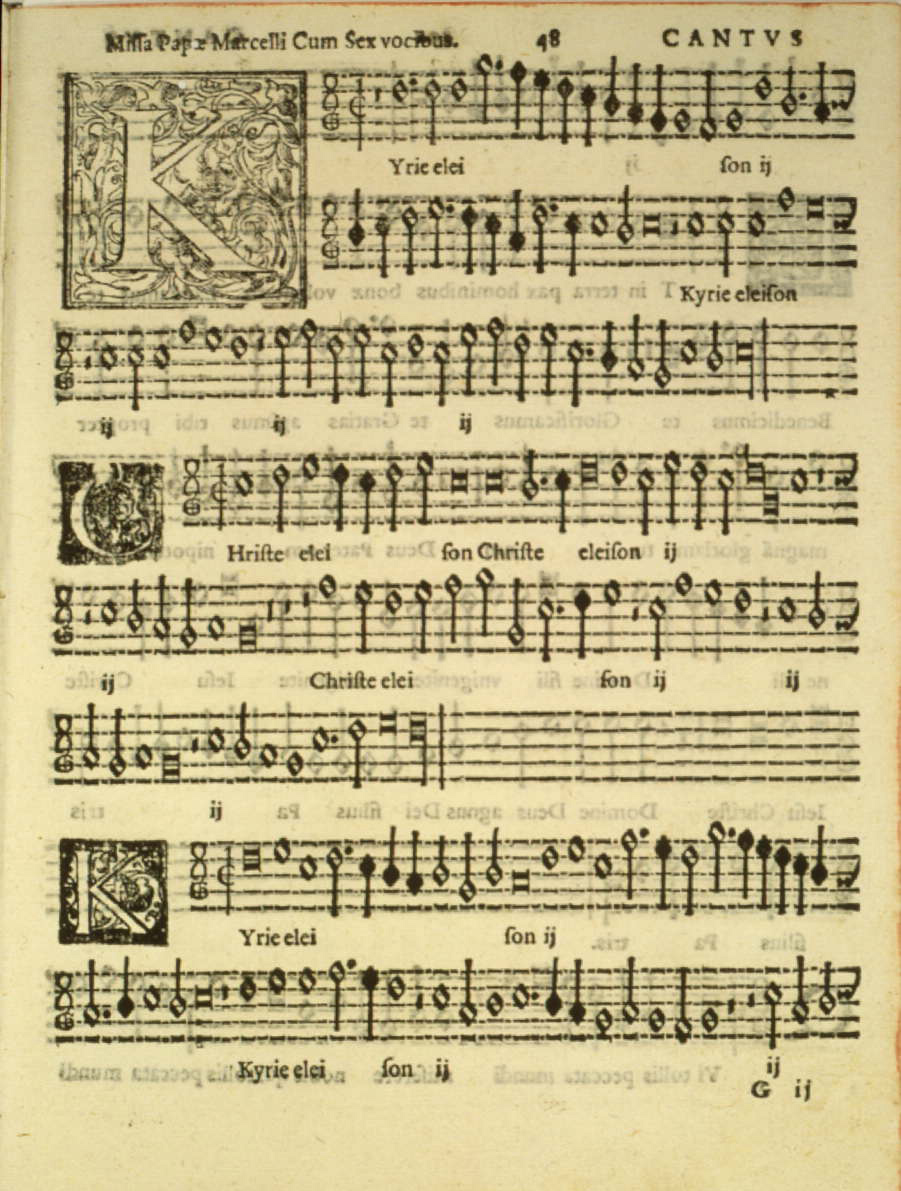
This does not really apply to the keyboard music I am playing since I know it was written in score and comes a generation later than Palestrina. But still I think it’s a cool way to think about the interplay between the voices.

punishing government – jupe jumps on his soap box


We, in the USA, are living through an amazing series of events in our government and polity.  I  make an effort to tap into the discussion of the people I most disagree with who are affecting or in agreement with the new radical approach to our government and politics.

I think it began with Reagan’s political description of government not as the solution to our societal problems but as the problem itself.

This notion has exploded into what we witness in the echo chamber of ignorance, economic/business myopia, and hate. People reify our societal organization into the person(s) they oppose. So we hate the president and what he has done to us. Or we hate the radical Republicans and what they are doing to us. When in fact, we (the people) are doing this to ourselves by electing a dismal class of people who do not think clearly as our leaders.

I am horrified and amused when I understand that people want “the government” out of their lives. You know, keep your hands off my “Medicare” and/or Social Security. This takes a fundamental (willful?) ignorance to maintain.  You know. Those are government run programs.

When my House Rep (Huizenga)was first elected he tweeted about cutting down government size. I asked him via Twitter what if he thought there was any reason or purpose for government. He seem to think there was but that it was out of control.

I think this is the talking point. But what does it mean? In Western Michigan it seems to mean protecting business interests with a dash of social issues (anti-abortion, blaming the poor for being non-white and causing their own poverty, etc.). As this has hit our government right now it looks to have morphed into something weirder.

Charles Taylor’s excellent analytic mind talks about “social  imagination.” In his book, A Secular Age, he keeps pitting his insights on the history of Western Civ up against where he perceives we are now (or 2007 when the book was published).

4 Eras of History

As he seeks the origin of our modern “exclusive humanism” (which essentially seems to mean a non-religious approach to being alive), he discusses the growth of the public commons and the idea that a nation (USA) could grow from a new idea that the people (as in “we the people”) could write their own constitution and build a new democratic republic that did not grow out of old ways of thinking.

wethepeople

Taylor says it quickly devolved. But that was an important notion in the “social imagination.”

So what about the weird stuff I read, hear and see in the right wing echo chamber? I wonder if it’s some sort of consumer counter reaction to the craziness of living in the 21st century.  Albert Borgmann says in Power Failure: Christianity in the Culture of Technology (a book I started reading in this morning) many but not all Americans are free “from hunger, cold, disease, ignorance, and confinement.” And also live lives largely enriched by our “immense prosperity of goods and services that technology has delivered.”

So in the case of many of us, our daily lives are privileged. But of course we have frustrations. It is tempting to  generalize our personal angers and foibles onto our pubic officials. We see them as our enemies who represent a challenge to our understandings of ourselves.

This is who we must punish I guess. Pogo still applies. “We have met the enemy and he is us.”

invisible jupe persists


My colleague Rhonda has asked me about a piece I wrote a while back, a commission actually, for Marimba and Organ. I spent a good part of my morning  yesterday looking for my final manuscript. It was nowhere to be had. I found many drafts. I even found almost final drafts which were essentially intact but not polished. These drafts were both hard copies and Finale files.

I sent an email off to Peter Kurdziel who commissioned this piece and asked him if I had indeed sent the final draft to him. This was nine years ago for pete’s sake.

Peter has not responded yet.

In the meantime, I thought I would spend part of my day off attempting to polish up the piece.

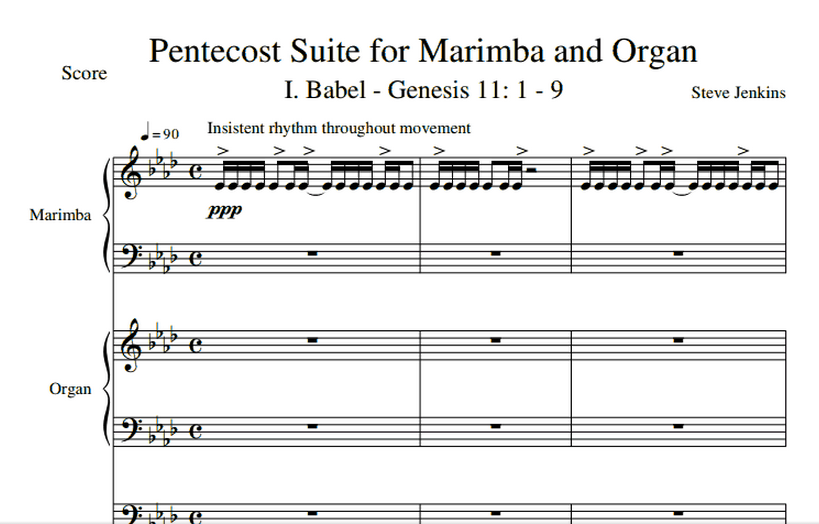
It’s called “Pentecost Suite.”

pentecostsuite01

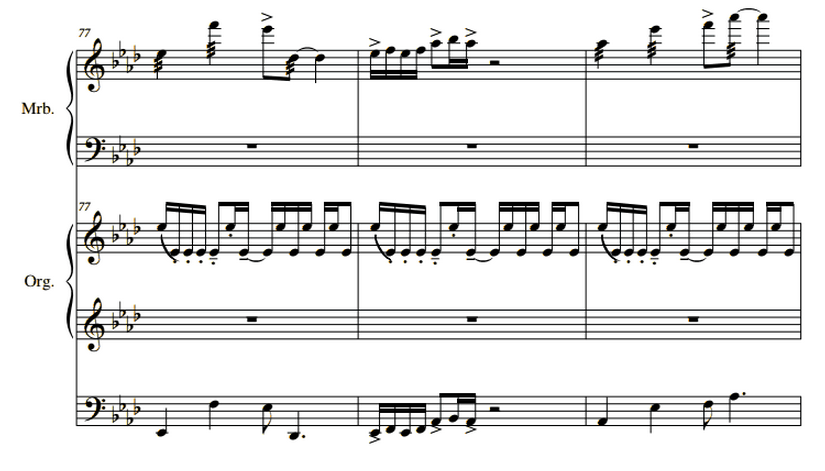
Three movements: I. Babel

pentecostsuite01.ms77

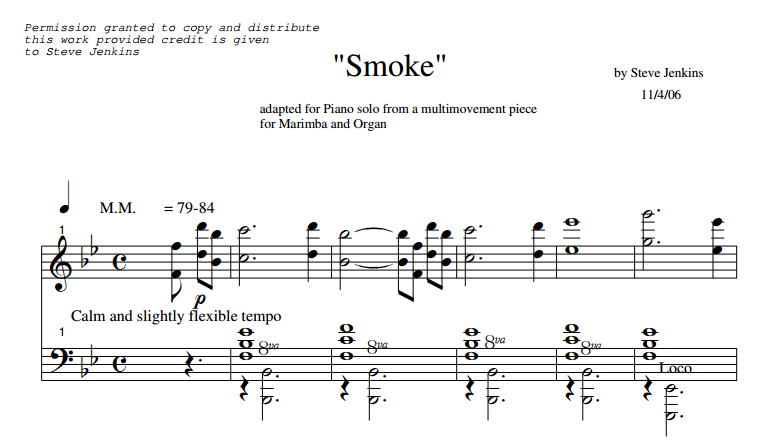
II. Smoke

pentecostsuite02

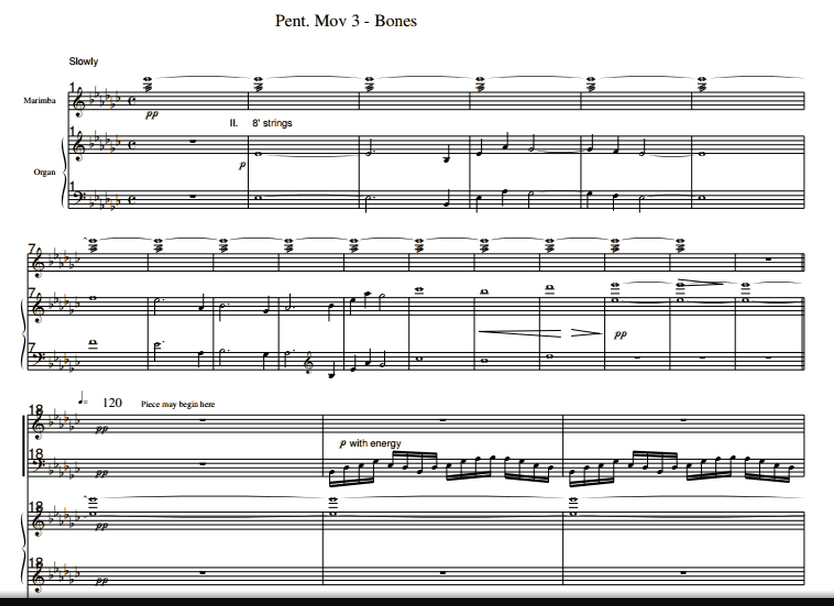
and III. Bones.

pentecostsuite03

The music is based on biblical images drawn from readings from the Roman Catholic Vigil for Pentecost.

In the intervening years, I had adapted the second movement for performance in Coffee shops and also made a piano solo of it (pdf).
smoke

Yesterday when I reviewed  the last movement surprised me. It’s really pretty good I think. I don’t think the piece was ever performed. I’m pretty sure I got paid for it.

The last few years I have felt more and more eccentric in my calling as composer and musician. Isolated, my views on music are not really shared by anyone I know. On top of that I feel more and more invisible. I am beginning to conclude that this is not just my eccentricities but also my age. The older one is, the less one counts in our society. Youth is pretty much the only important phase of life to Americans.

I sometimes allow this to color my thinking about my abilities. Like Rampal in the last blog post, I wonder when people don’t talk to me about music it might be because they don’t appreciate my music the way I do or find my ideas relevant.

Competent people lose confidence because they assume that others who are incompetent are operating from a competent point of view. This is part off the insight I also mentioned in the last blog called the Dunning-Kruger effect.

I attempt to persist in as accurate a self assessment as I can muster. This means believing in my self as well as trying to improve my abilities.

Finding an old composition that reaffirms my competence helps.


beauty, manners, competence, Martins


Yesterday I played a huge funeral. I played Bach and Mozart in the prelude. Bach on the organ and Mozart on piano.

As I ponder the mystery of performing music, I sometimes see myself as whispering beauty over the heads of people without knowing if any of it is reaching them. Part of this is the set up at my church. I play to people’s backs since the organ, piano and choir are in the back of the church. It’s kind of weird that way.

This probably contributes to my feelings of invisibility and eccentricity.

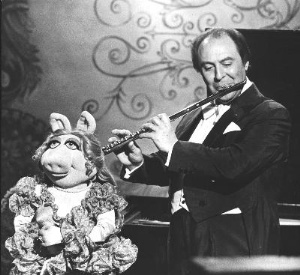
I think of the great flute player Rampal.

I remember a story that he was playing a concert in a church where applause was forbidden. After finishing his last piece he retreated from the performing stage to silence. When someone urged him to do an encore, he demurred, saying something about not knowing if the audience liked what he had done (due to the silence I guess).

If Rampal wondered about this, it makes sense that someone of my meager skills would entertain such a thought.

Later I was drawn to the organ bench yesterday despite weariness and lack of time in my schedule. I decided to continue to practice the Bach trio I performed Sunday and try to learn it more thoroughly.

Today I hope to put some musical ideas into Finale or on paper.

In my fall schedule, Tuesday is a good day to compose. At the least I want to write out the choral parts to my new Gloria. But we’ll see. I need to take some time and goof off.

W. H. Auden  (the poet) has quoted Valery’s idea of how poems are never finished, only abandoned. I get this. After inspiration comes the working of filling out the piece, editing it. This process rarely feels completed. But one must stop at some point.

Auden also has this to say about bad manners.

In art as in life, bad manners, not to be confused with a deliberate intention to cause offence, are the consequence of an over-concern with one’s own ego and a lack of consideration for (and knowledge of) others.

This puts me in mind of a concept I ran across yesterday: the Dunning-Kruger effect which is

a cognitive bias in which unskilled individuals suffer from illusory superiority, mistakenly rating their ability much higher than average.

This bias is attributed to a metacognitive inability of the unskilled to recognize their mistakes.

Further

Actual competence may weaken self-confidence, as competent individuals may falsely assume that others have an equivalent understanding. David Dunning and Justin Kruger of Cornell University conclude, “the miscalibration of the incompetent stems from an error about the self, whereas the miscalibration of the highly competent stems from an error about others”

Both of these quotes come from the Wikipedia entry.

A more succinct way to say this might be that

the truly incompetent can’t even recognize their own incompetence

This last phrase came from a NYT article by Paul Krugman called “The Boehner Bunglers” where I ran across the concept.

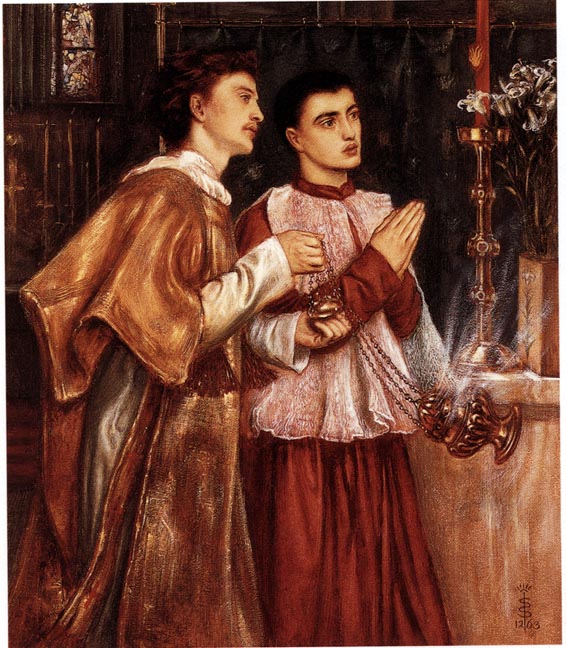
This morning I took an interesting side trip into history and etymology beginning with St. Martin of Tours.

He and his communities are recognized as one of the first expressions of  Western Monasticism.

You will notice he is handing a cloak to a poor person in the above painting.

This is significant because the word, chapel, comes from the story of Martin sharing his cloak with a beggar. This cloak then becomes significant as a relic and is housed in chapels and taken care of by chaplains. Neat.

chapel

On St. Martin’s feast day in 1483, Martin Luther was born.

Martin Luther the namesake of Martin Luther King, Jr.

There you have it.

more music talk and the cranky snob in my mirror


I listened to one of the CDs David Kevin Lamb gave away at a recent American Guild of Organists Dean meeting I attended. While his taste in organ compositions is not my own, I did notice one thing. He plays like someone who likes the music he is playing. Not sure how I can tell this. Maybe it’s a subjective reaction after meeting him and hearing him run a meeting. No matter.

Kenny Werner (Effortless Mastery)  talks about allowing oneself to listen to music, opening up without any other thought than just hearing music. This is an excellent way to listen, I think. I was trying to do that as I listened to Lamb’s renditions of Mendelssohn and Canadian composer Denis Bédard.

I have met many musicians who seem to have a lot of concern and interest in music. Their opinions are firm. They often don’t seem like happy people. It doesn’t occur to one that they enjoy music, that they find it fun. It seems more serious than that. Sometimes its so serious it’s off putting to me.

My defense has been to see myself as someone who may not aspire to the heights of academia and classical music, but nevertheless loves music of many stripes and continues to explore new music and try to improve my own musical skills.

Speaking of which, the performance of my new Bach trio movement proved very interesting to me yesterday. I am constantly working on my attitude toward playing. I examine my thinking for anxiety.  I try to clear my mind as much as possible when I play. This can be particularly difficult at my church.

Yesterday, as I was playing this tricky little trio by Bach, seven or eight acolytes gathered right next to where I was playing and began talking loudly to each other.

I lost concentration several times. Though I walked over after I was done and talked to them about how confusing it was to me when I was doing something difficult and they were shouting nearby, I don’t really blame my lagging concentration on these kids.

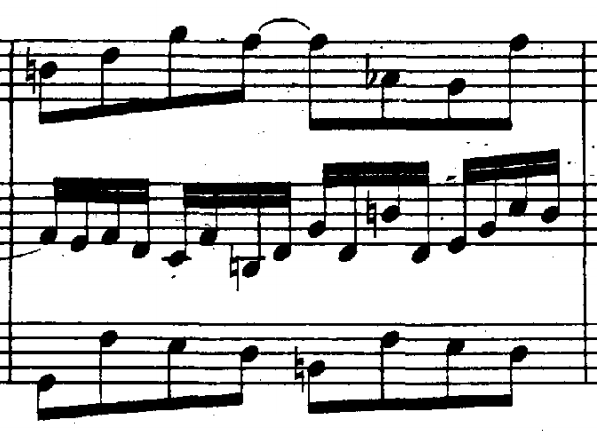
There was at least one measure that I didn’t expect to go well yesterday.

bachonemeasure
This is the measure I was rehearsing over and over right up until service yesterday.

But after I finished playing it, I remember thinking (thinking!!!!) that I did it in an acceptable manner.

I often see my prep for performance as a sort of test case on what works in practice for me and what doesn’t.  My teacher, Ray Ferguson, told  me that sometimes one is practicing right up until a performance. I think of that.

Kenny Werner and Dr. Kim both address depth of preparation of pieces. I have been thinking a lot  about how thoroughly I learn pieces I perform. I am very interested in improving the depth of my preparation.

When in school, one rehearses pieces for entire semesters before a performance. That looks like a luxury to this hack church musician.

But at the same time, I am not content to only play music that is well within my technique.

I performed that Bach yesterday a bit before it was ready to be aired, however sections of it surpassed my low expectation of a shaky performance due to performing too soon.

The important thing I learned yesterday is that I need to continue to develop my concentration powers as I try to learn pieces more thoroughly.

Concentrating on what is not as hard as it used to be for me. Now I can often move into an arena of calm and clarity and essentially not thinking in the course of a performance. The goal is to make those moments longer and more clearly focused.

The choir did splendidly yesterday. I was surprised at the beauty of their blend. This was because of the spotty attendance we have had this fall of this small chamber group. But what the heck. They sounded great to me.

But enough happy stuff.

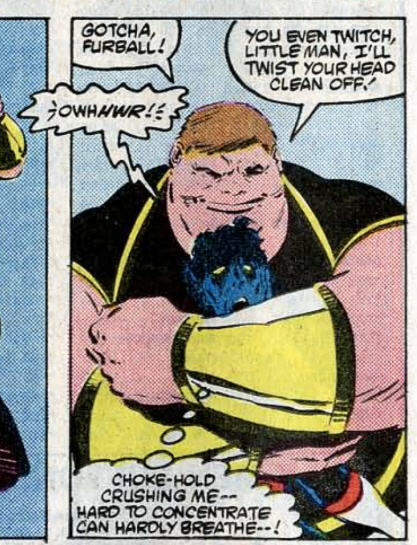
I decided I couldn’t finish Neil Gaiman’s The Books of Magic. Call me an old cranky snob, but I was annoyed when I got to this page.

gaimangreek01

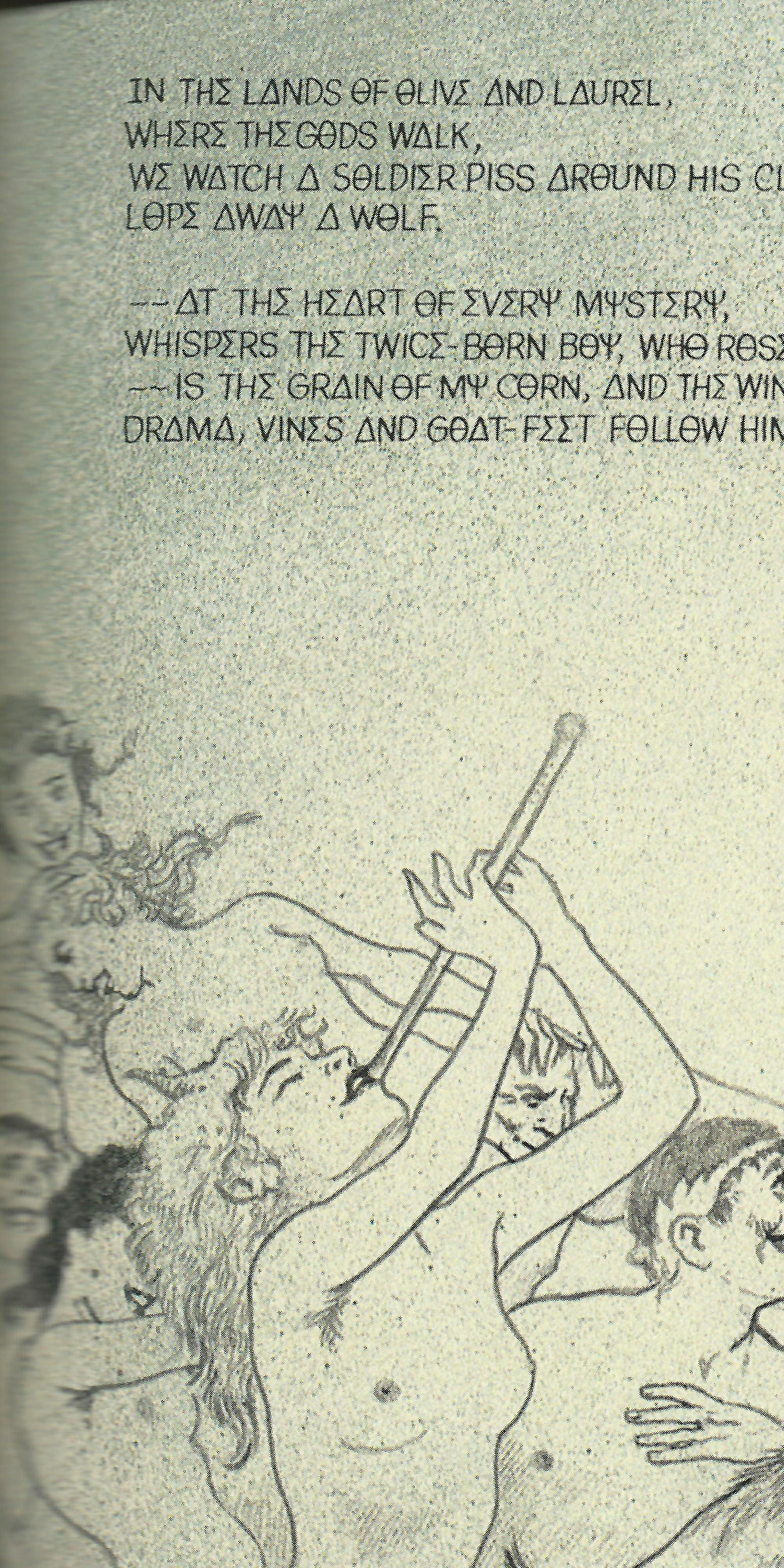
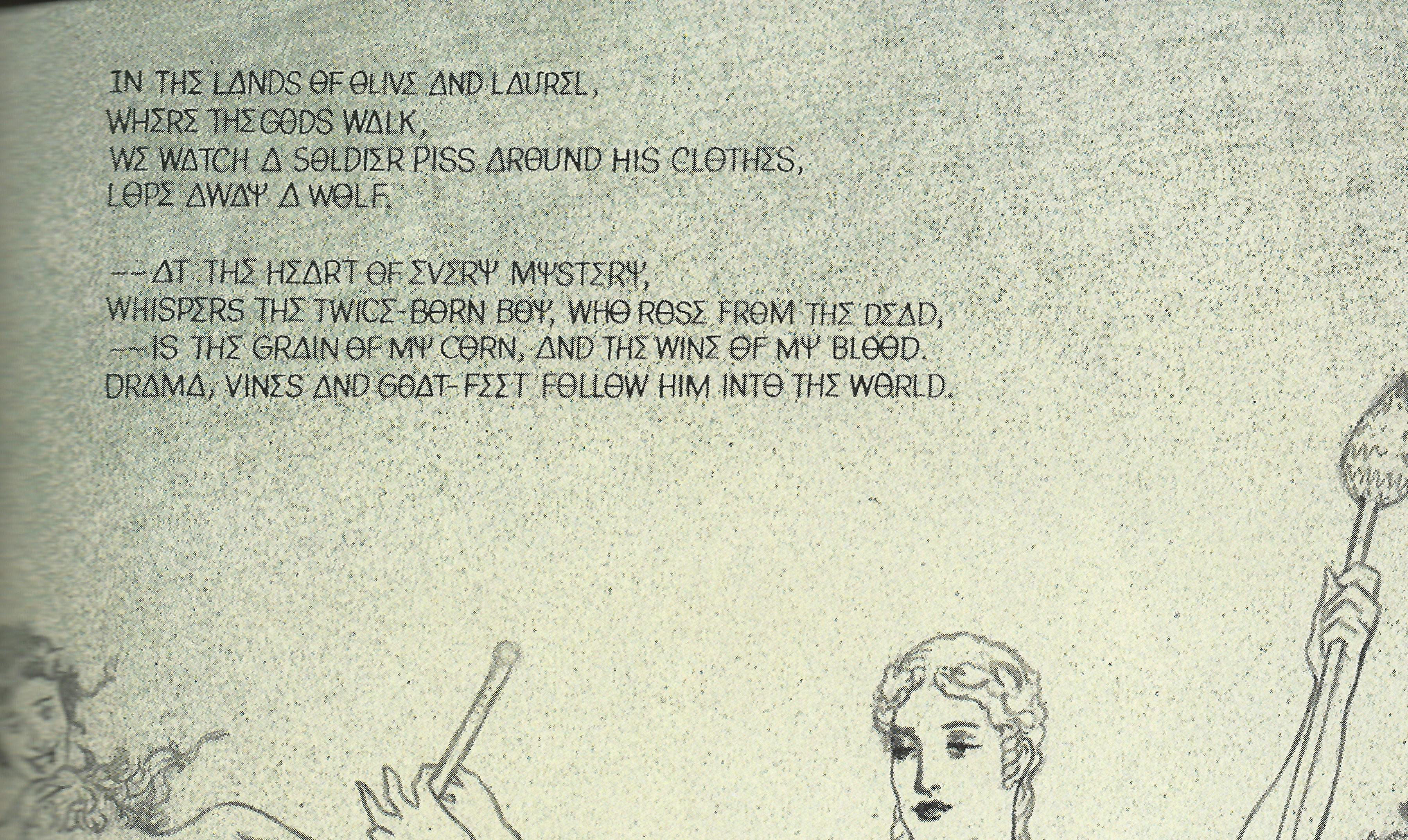
This is not strictly speaking a Neil Gaiman problem. His letterer, Tod Klein, decided to get overly cute and attempt to make a greeky lettering.

gaimangreek02

But as you can see, he does it wrong. I found that annoying, but also the fact that I could easily read his mis-use of the Greek Alphabet.

learning to practice effectively and modulate the AGO way


I divided my practice yesterday into two sections: one before and one after lunch. At each sitting I rehearsed my little Bach trio movement carefully. Lately if I am repeating something as I practice, I make sure I at least do it four times, often more. When preparing for a weekend performance at church of something a bit challenging to me, doing something four times carefully seems a good way to proceed. Even when practicing piano for the heck of it, I find carefully repeating a section and counting the number of times I do helps me.

If this seems a bit studentish, it’s because it is.

I have such a long way ahead of me in my technique that I persist in using some pretty simple rehearsal approaches. I do this because I have experienced a lot of improvement in my basic piano and organ technique in the last decade or so due to practicing and learning to practice effectively.

Yesterday I wanted to double my prep for today’s Bach piece. So I began with rehearsing smaller sections of the Bach repeating them over and over. Finally I went through the entire piece four times. Before this I listened to the recording I had made of myself earlier in the week on my phone. From it I learned that my choice of tempo (slower than most play this movement) remained convincing to me as a player. I also cringed at the sound of the reed in the trio.

I began yesterday re-registering the trio without the organ’s ugly reed. This helped a lot.

I also listened to the way I had decided to do the ritard at the end of this piece and found that convincing as well. I am doing what I think of as the John Gardiner baroque ritard which pulls up sharply at the end of a piece in a kind of jerky way.

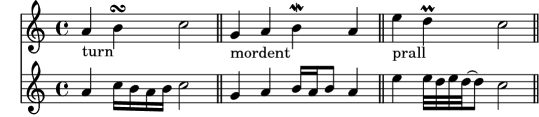
I rarely use it. But I have added an ornament on the top voice (a  turn) to the ending and it seems to go nicely that way.


I then read through the duet Rhonda has asked me to play, playing through both parts in an attempt to understand the music. I got about twenty pages and broke for lunch.

After lunch, I decided to go through the trio varying tempos consciously. First at performance tempo, then slow, then performance again and then finally slow.

I find that if I leave a piece with a slow rehearsal it reinforces the learning process for me.

As I did this, I did stop occasionally and go over sections if they needed it.

Also I used mister metronome.

In the American Guild of Organists, there are a series of examinations that if you pass you are awarded a professional thingo which allows you to put more letters after your name if you wish.

The exams are Service Playing, Colleague, Associate and Fellow.

When our bookstore failed spectacularly I decided that the next step in my education would be not to get a music degree, but to move to Detroit and prepare to take one of these exams.

I ended up both attending college and taking the exams.

I pursued the Associate exam.

I took it a couple of times and did not achieve it.

The second time I had scores high enough to be awarded the letters, but there was a rule that if you flunked any section of the exam, no matter what your overall score was, you didn’t pass.

I flunked modulating from one hymn to another. One judge gave me no points and drew the judge average below passing.

At the time, I thought that I probably disagreed with the judges about what constituted a coherent execution of a modulation between two keys.

Philip Gehring published an article in the latest American Guild of Organist mag (Oct 2013) called “AGO Colleague Examination 2013 improvising question: The Modulating Bridge.”

I read it over and decided to try to learn to do this his way.

So I have added that to  my daily practice, modulating via Gehring’s recommended technique of duplicating the initial motive of the hymn you are modulating to and doing this in a circle of fifths keys between the two.

So far I feel like I’m doing it in a clunky way. But what the heck. Toujours gai, Archy, toujours gai. There’s some life in the old gal yet.

finger exercises


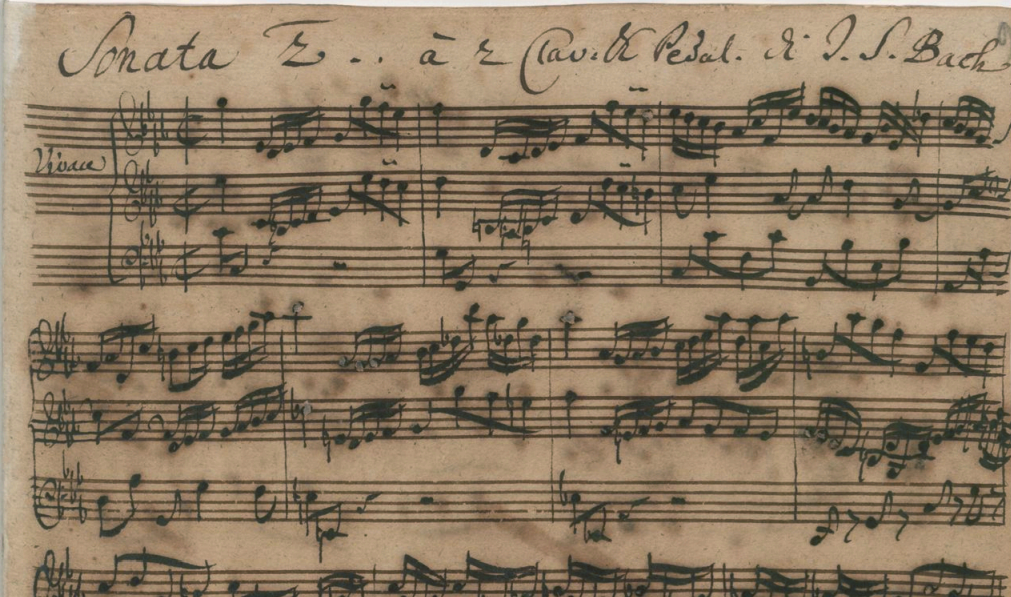
I think I might have bitten more than I should have in tomorrow’s scheduled organ prelude.  I thought I had performed the first movement of the C minor Organ Trio of Bach before. But I’m beginning to think this is not true. Mostly I am having second thoughts about tempo. The movement is marked Vivace in my edition. The word means “lively.” I am afraid however I can’t really play it too fast yet.

bachtriosonata2.mov1
This is the piece in Bach’s handwriting. Available online. I love the interwebs.

I like the way I play it.  It feels lively to me. I have decided even if my tempo is incorrect, tomorrow I am still going to play it at a slower tempo than the recordings I have listened to (briefly at this stage of learning).  I will have more of a chance of playing it musically (always the goal).

And of course tomorrow the new bishop is presiding at our church.

Why do I put myself through this stuff?

The answer is that I still at the old age of 62 have a need to challenge myself especially in the service of beauty.

A quick look at Donington’s The Interpretation of Early Music (which is largely an anthology of quotes) reveals that Leopold Mozart (Amadeus’s dad) puts Vivace in between Moderato and Allegretto.

Writing in 1756 (6 years after Bach’s death), Leopold says this:

VIVACE means lively, and SPIRITOSO says that we should play with intelligence and spirit, and ANIMOSO is almost the same. All three kinds stand midway between fast and slow, as to which piece of music bearing these must itself show us more

Leopold Mozart, Violinschule, Augsburg, 1756, I, iii, 27 quoted in Donington p. 389

So there you have that.

When I perform at a slower tempo than other players I am reminded of Bob Hobby’s observation about his teacher Don Busarow. Busarow was notorious for performing slowly.  His students maintained that there was Adiagio, Largo and then Busaro.

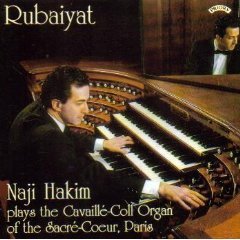
Speaking of challenges, my colleague Rhonda Edgington has asked me to learn a duet part for “Rhapsody for Organ Duo” by Naji Hakim.

I do admire the way Rhonda is interested in so many different composers. I have never heard of this dude. The piece will be a challenge for me. I ordered the music in late September, but it’s not scheduled to leave the warehouse of Sheet Music Plus for four to six weeks. When I see that, I figure they have to get it themselves from the publisher. If I had been clever I would have ordered directly from the publisher.

Instead, Rhonda loaned me her copy. I will (illegally) photocopy it to begin learning right away. I don’t think the concert is scheduled until Advent.

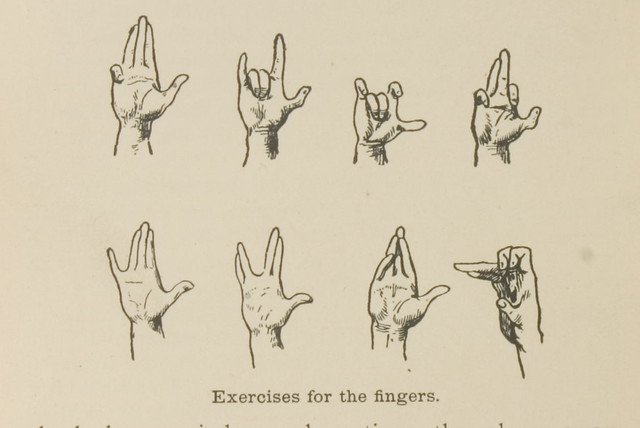
This morning (and yesterday) I played some Czerny virtuoso finger exercises. I sometimes keenly feel my lack of keyboard technique. I persist in playing scales and Hanon.

I read a story once about Oscar Peterson.  Some interviewer was leaving Peterson’s apartment after interviewing him. After he closed the door, he heard Peterson begin in on Hanon exercises. I find this inspiring since Peterson’s piano technique was huge.


Friday morning wheel spinning and dire predictions


I got  up a little late this morning and have even less time than usual to blog.

I spent a couple hours of my morning off yesterday looking for a credit card. I thought I had misplaced it. It was actually tucked in between some leaves of the ledger of my Mom’s check book. I ransacked the house, then drove around retracing my steps since Monday which was the last time I had used it. All the while, I was carrying it with me unbeknownst.

Sigh.

I am finding watching the debacle in Washington D.C. right now very disheartening. The shutdown of our government is now at day four. I tweeted my representative (Huizenga). I’m not sure if he is one of the Tea Party crazies who are bringing the government to its knees, but I know he votes the party line (as do most if not all Republicans in the House).

I know that the left (the side I tend to agree more with) is also very flawed. But its hard not to see the actions of a small number of not so bright Representatives as a move (misstep, hopefully) by the far right. It plays into President Obama’s hands. But it also is slowly unraveling our infrastructure. I fear in the next few weeks especially if the debt limit is not routinely raised, we as a country may reach a point where it will be hard to repair this damage.

Eileen continues to be miserable in her job. She is talking with MERS (the people who handle the retirement of library workers) about her options. She asked for a couple more days off around her trip to California. I fear it’s all too little too late and that one day soon she will come home from work and tell me she quit.

This will be doable as long as I continue to pull in a little money. But date night will have to look different, as will our list of weekly bills. We can do some serious trimming and stay fat and happy, I’m pretty sure.

Unless of course the far right fucks up the country (and the global economy) so bad that those of us who are not rich will be scrambling to survive.

If we end up on the street, I think we’ll have to move somewhere warmer.

emptiness, littleness, nothingness, lostness


whenthewhole


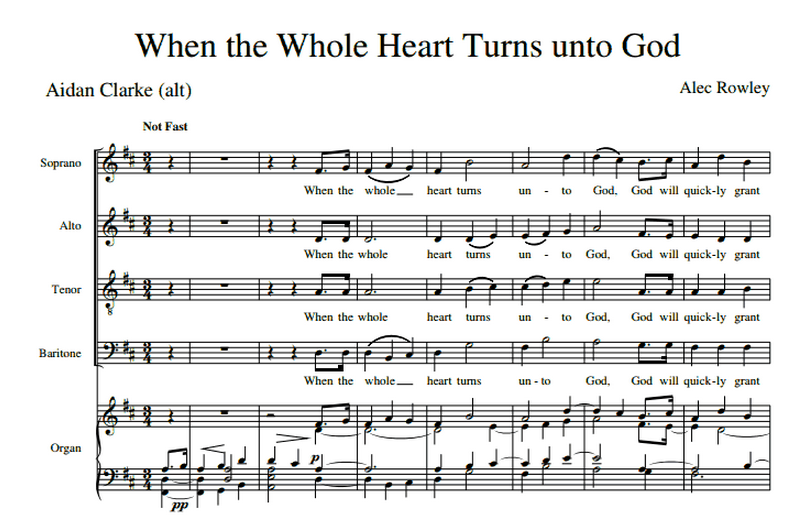
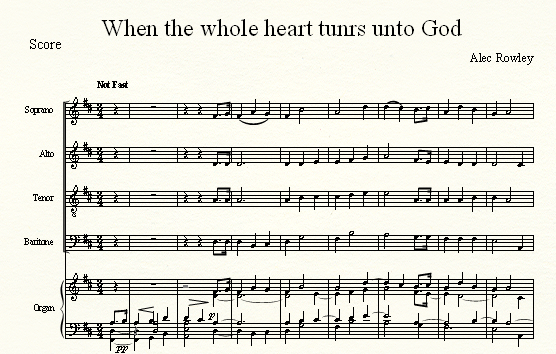
I managed to finish my transcription of Alec Rowley’s anthem, “When the whole heart turns unto God” yesterday and make copies for the choir. Here’s a link to the PDF of the piece. At least it’s a link to a permalink from my google doc of the pdf. I’m hoping that it works as an access link. If anyone has troubles with these links, I wish they would let me know (jupiterjenkins@gmail.com).

Today I have time to blog but my mind is tired. I have been up reading for a while and that is refreshing. But I usually have an insight or two or an inspiration before I start to write here.

The inspiration hasn’t kicked in this morning.

In the meantime here are some excerpts from my reading.

Why do people stop taking piano lessons?

“The answer is that the bliss of music has been filtered out of their studies.”

from Effortless Mastery by Kenny Werner


“Music is not the cake. It’s the icing on the cake.”

from Effortless Mastery by Kenny Werner

I am finding Werner’s prose a bit on the breathless side. It feels like it’s ghost written and not that well put together. But still once in while something pithy like the above two quotes hit me.

I feel pretty strongly that people start out as artists, dancers, painters, musicians and poets as children. Life tends to take that away for many people. I feel lucky to have retained as much of this bliss as I have.

And I agree with the idea that music is icing on the cake of living. This might be another way of saying that music is something one does, not a thing.

Then there is Merton.

I am reading the final journals of his life. As one reads, his sudden death from electrocution while traveling looms over the prose (he got out of a shower and tried to turn a fan on or off if my memory serves).

Still there are some wonderful moments.

Previously I marked this passage as beautiful enough to set to music. Sorry to get all religious and shit, but I still like it.

“I am the utter poverty of God. I am His emptiness, littleness, nothingness, lostness. When this is understood, my life in His freedom, the self-emptying of God in me is the fullness of grace. A love for God that knows no reason because He is God; a love without measure…”

I wonder what has happened to our country when there is no room for compassion for each other or true human spirituality in our public rhetoric?

Onward. Upward.

Here are some recent articles I have bookmarked as noteworthy.


1. John Boehner’s Shutdown – NYTimes.com

Bookmarked this to help me remember how the Republicans stalled before they balked.

2. PolitiFact | 10 things Obamacare supporters say that aren’t entirely true

Unfortunately most of these originate with President Obama. Yikes. Why can’t we be more accurate and honest in our speaking?

3. Chirlane McCray Plays Key Role in de Blasio Campaign – NYTimes.com

I admire McCray as portrayed in this article. Also her and her husband’s relationship. Good read.

4. Hitting Pay Dirt on Mars – NYTimes.com

A little more detail about water on Mars.

5. Defining and Demanding a Musician’s Fair Shake in the Internet Age – NYTimes.com

I find this man’s anger and navel gazing repellent. Nevertheless as a consumer of recorded music I am aware of the need to purchase it beyond the sharing sites of Spotify and Pandora. I purchase recordings regularly when I find that I admire them.

6. Changed the Way Americans Cook Italian Food – NYTimes.com

Another fascinating obit.

7. The Captain Ahabs of the House – NYTimes.com

Written way back before the government shutdown. Charles Blow has a nice and succinct way of putting it:

“This is about a group of ideologues who are not in touch with reality, who have very limited intelligence, who are playing mad games with the world economy.”

8. A Muslim Prosecutor in Britain, Fighting Forced Marriages and Honor Crimes – NYTimes.com

An admirable and wise man.

9. Suffocating Echo Chamber – NYTimes.com

Forgive me if I have posted this before, but I don’t think I have. This one is another astute pre-shutdown observation. This time from Kristoff.

“The right-wing echo chamber breeds extremism, intimidates Republican moderates and misleads people into thinking that their worldview is broadly shared.”

no time to blog


I got up a bit later this morning. But the real reason I don’t have much time to blog is that I need to use this time to finish “arranging” an anthem I want to have ready for tonight’s rehearsal.

rowley


Alec Rowley lived from 1892 to 1958. He preceded the modern sensibility towards sexism in language. His anthem, “When the Whole Heart of Man,” is a nice example of what I think of as “hoary”  old English anthems. My church owns it. It was published in 1923 and is most certainly out of copyright.

I want use it but change the language. The more I looked at the language and the more I thought about the fact that my choir attendance is extremely spotty this fall, the more I thought I could save some time by just re-doing the score with the word changes I want.

So that’s what I have to do this morning.

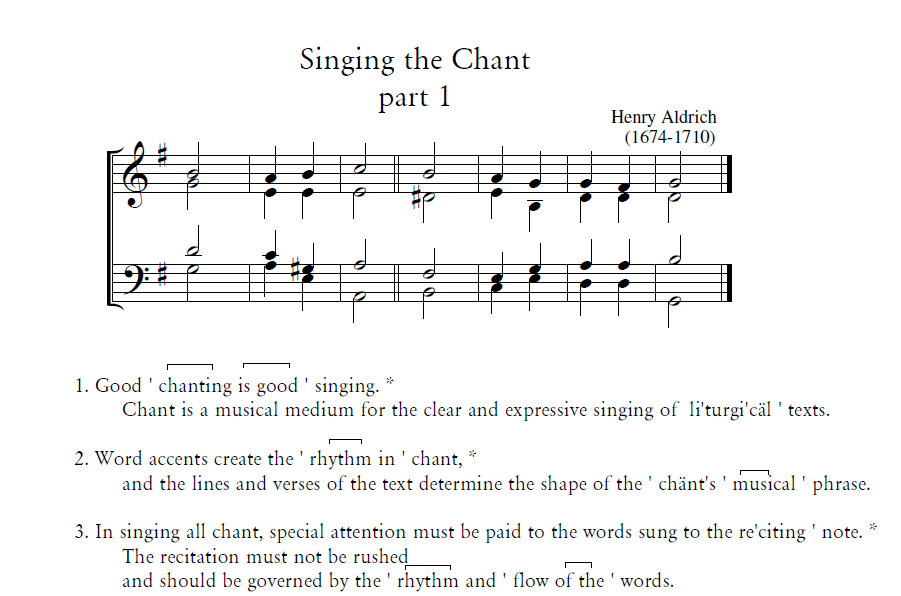
I also pointed some of the Instructions from the the Anglican Chant Psalter and thought it might be fun to sing that tonight as well.

singingthechant

Here’s a pdf of the whole thing if you’re interested.

Eileen came home pretty down last night from work. It looks like she will not make it to retirement at this gig. I try to encourage her to do what she has to do to take care of herself.

depleted and invisible

Sunday and Monday have left me feeling depleted. Sunday afternoon I had an additional duty of playing for the blessing of the animals. Most of the effort is hauling my piano and amp over to church then hauling it back after the service.

Yesterday I played for my Mom’s nursing home September birthday party. After two and a half hours of ballet  classes, I stopped for a bit of organ practice, then went over to Resthaven.

I couldn’t tell how they were responding to my Bach and Beethoven. First I played the C major invention for them without identifying it. No one seem to know it. Then I talked about Bach as an inventor who made the inventions. Then I played the A major two part invention followed by the Eb Sinfonia. Not sure I was getting through. Ah well. It’s lovely music.

Then I played Fur Elise. I recently discovered that it is a bagatelle. A bagatelle is a “trifle, a thing of no value or importances”  or “a piece of verse or music in a light style.” (OED)

When I finished one of the old men growled that it sounded like a soap opera. I told him that soap operas sounded like Beethoven, since Beethoven came first.

I then played the slow movement of Beethoven’s Pathetique Sonata. I chose it in the hopes it might sound familiar to a group of elderly people who may have listened to Karl Haas’s radio program, “Adventuress in Good Music.” It was his theme song.

Again nothing.

I launched into “Adelweiss” and people immediately began quietly humming and singing along. They seemed a little more connected after that.

At the conclusion one gentleman thanked me for playing “The Wild Blue Yonder,” since he was a retired airman.

Also the activity director asked me if I gave piano lessons. She said she plays by ear but can’t read music.

I told her to email me and we would set up an interview.

I just checked and it doesn’t look like she has emailed me yet.

I do love teaching but I get asked less and less.

I am feeling a bit invisible these days.

It’s something I’m accepting more and more. Perception seems to trump content and I am a bit obsessed with content so it doesn’t bother me that people perceive me as not that relevant.

Case in point was the organ music for this past Sunday. I worked hard on this music. I finished the postlude and Eileen commented that she could see what I meant about needed to prepare the music. I told her that it was really the simpler sounding prelude (Minuetto by Gigout) that had taken the prep during the past week. Of course I practiced the Toccata but I essentially have known it since the 80s.

At any rate, neither piece made too much impression on listeners. I do have a couple of choir people who seem interested in what I do at the organ. But I find that most of the congregation doesn’t perceive what I am doing with the music as all that relevant.

While I was rehearsing the choir before church I had to ask one of the adult servers to talk a bit softer. He was standing a few feet from me and talking loudly.

Invisible.